This post contains affiliate links. We may earn a commission if you purchase through them, at no extra cost to you.
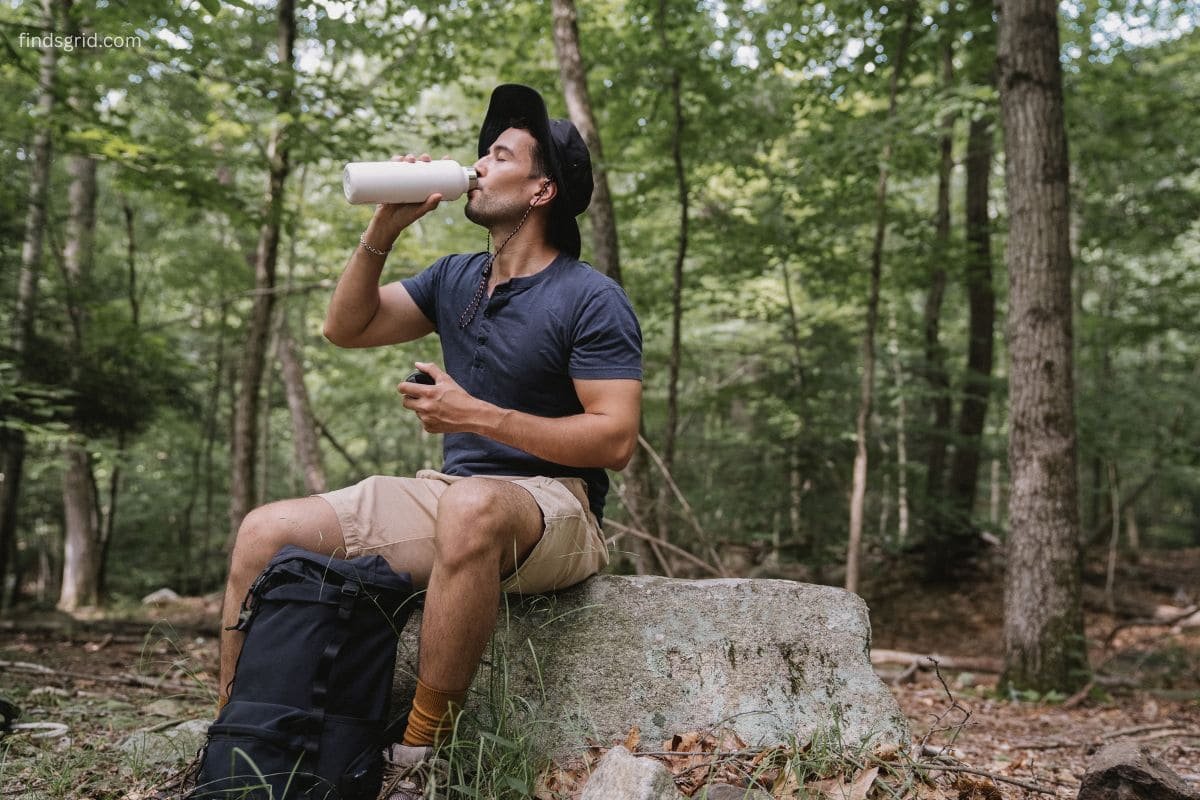
Say you’re five miles in. The sun’s still up, your bottle’s down to a couple of sips, and a creek is running right beside the trail. Clear. Cold. Looks like something you’d pay to have shipped to your house.
So you drink. Right?
Maybe don’t. Not yet, anyway. Knowing how to filter creek water safely is the difference between a great trip and a miserable week.
Same goes for the other version of this. A storm takes out the power, the city issues a boil-water advisory, and suddenly the kitchen tap is a no-go. You’ve got water, technically, just nothing you’d trust.
Either way, you need a plan that doesn’t rely on luck. Here’s how I’d think about it.
Quick answer: Hollow fiber filters pull water through pores about 0.2 microns wide, which is too small for bacteria or parasites like Giardia to pass. The better ones are rated to remove up to 99.999999% of bacteria and 99.999% of parasites without any chemicals. That makes creek water drinkable on the spot, though viruses and chemical pollution need a separate fix.
So what’s actually in a clear creek?
Nothing you can see. That’s the whole problem.
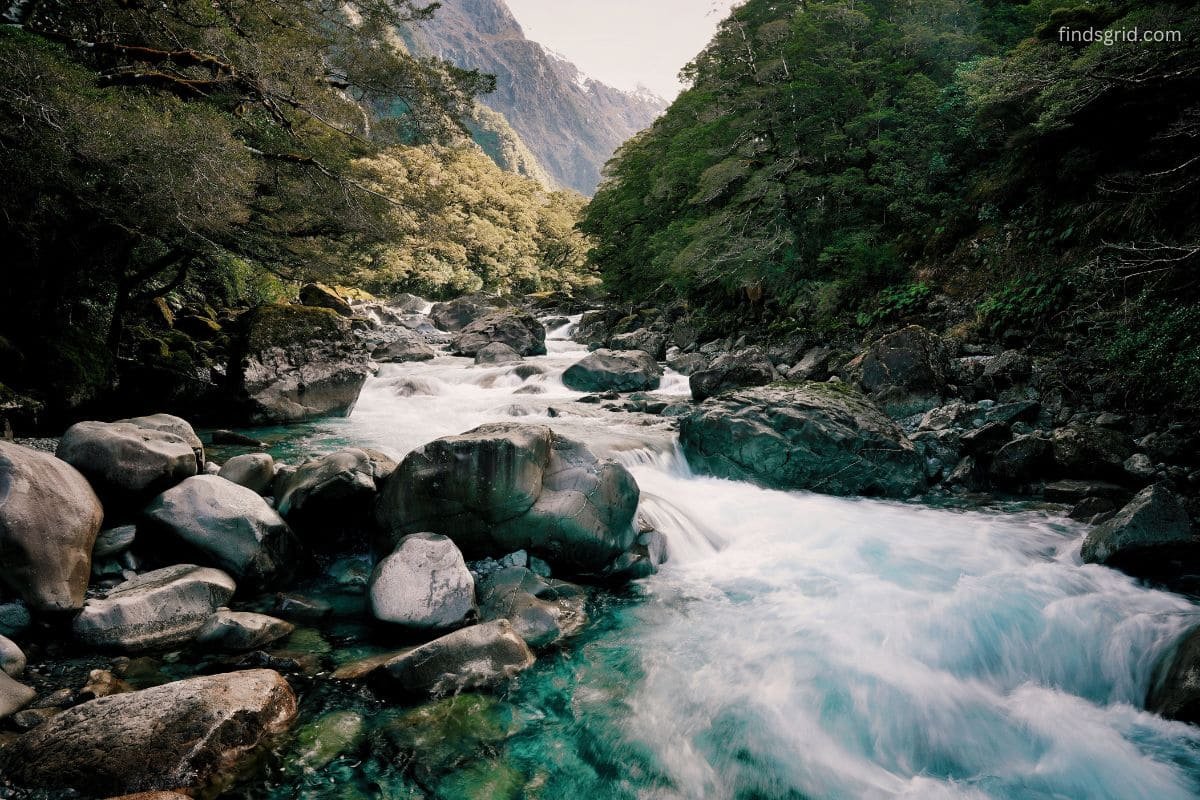
Think about who else uses that creek. Deer, elk, beavers, somebody’s dog, a camper who didn’t dig far enough from the bank. Whatever they leave behind gets carried downhill by rain, and the water still looks fine because the stuff doing the damage is microscopic.
Giardia is the one everybody’s heard of. It doesn’t hit you right away, either. You drink on a Saturday, feel great, and about a week or two later your stomach turns on you. Cramps, bloating, the works. By then the creek is long forgotten, so almost nobody blames it. That’s why backcountry water filtration for bacteria and Giardia matters so much more than it seems like it should.
Size is what makes filters work here. Giardia and Cryptosporidium run around 4 to 15 microns. Bacteria like E. coli and Salmonella are smaller, from about half a micron to a few. A 0.2-micron pore stops both. Viruses are the catch. They’re often under 0.1 micron and will slide right through, so if you’re near flood water or sewage, filtering alone isn’t enough. And no filter pulls out dissolved things like salt or fuel.
How the filter does its job
It’s a lot simpler than people expect. Imagine a bundle of hair-thin straws with microscopic holes in the walls. Water gets forced through those walls, and anything too big for the holes gets left behind. No chemicals. No waiting around.
Iodine and chlorine tablets are the older approach. They do work, but you wait, sometimes for hours depending on what you’re trying to kill. The water tastes like a swimming pool. And they don’t do anything for silt. I’d keep tablets as a backup and let a filter be the main plan.
If sewage or flood water could be involved, filter first and then boil or treat it. That’s how you cover the viruses.
How to filter creek water safely, step by step
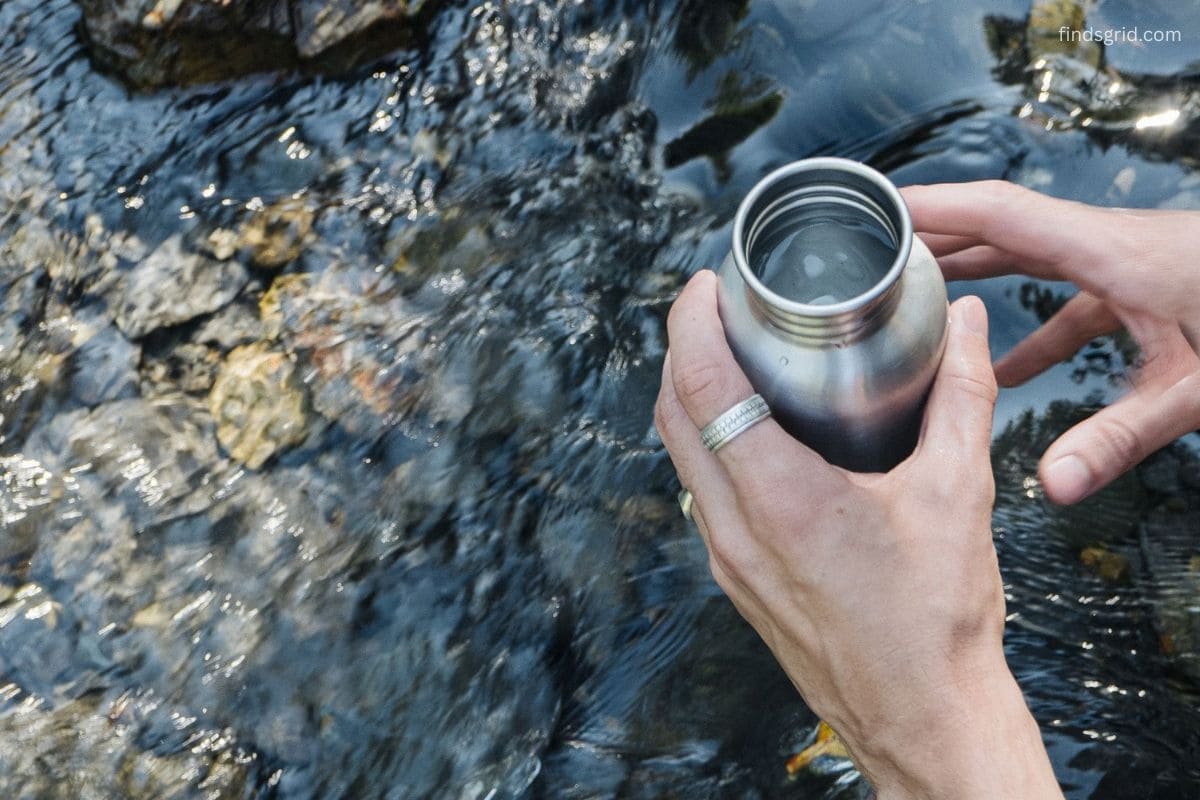
The outdoor survival water purification steps don’t change much between a mountain trail and your own driveway after a storm.
- Pick the best source you can find. Moving water beats a still pond. Skip anything with a sheen, a bad smell, or a dead animal nearby.
- Dip from just under the surface. Don’t churn up the bottom.
- Pre-strain cloudy water through a bandana, because silt is what clogs filters early.
- Filter it the way your model says to.
- Boil or treat it afterward if sewage or flood water is a possibility.
- Backflush and dry the filter when you’re done, instead of tossing it wet into your pack.
Which type should you carry?
Depends on where it’s going.
Day hiking: a squeeze filter or a light straw does the job. You’ll actually use something that’s easy to grab.
Bug out bag: keep it simple. A straw has no moving parts, nothing to put together, and almost no weight. That’s why so many people choose one as their personal water filter for an emergency prep bug out bag. It won’t hold water for you, since you drink right at the source, but as a backup when your stored supply runs out, it’s hard to beat. If you want an in-depth look at one of the most reliable personal emergency tools for backcountry trails and bug-out bags, check out our full LifeStraw Water Filter Review.
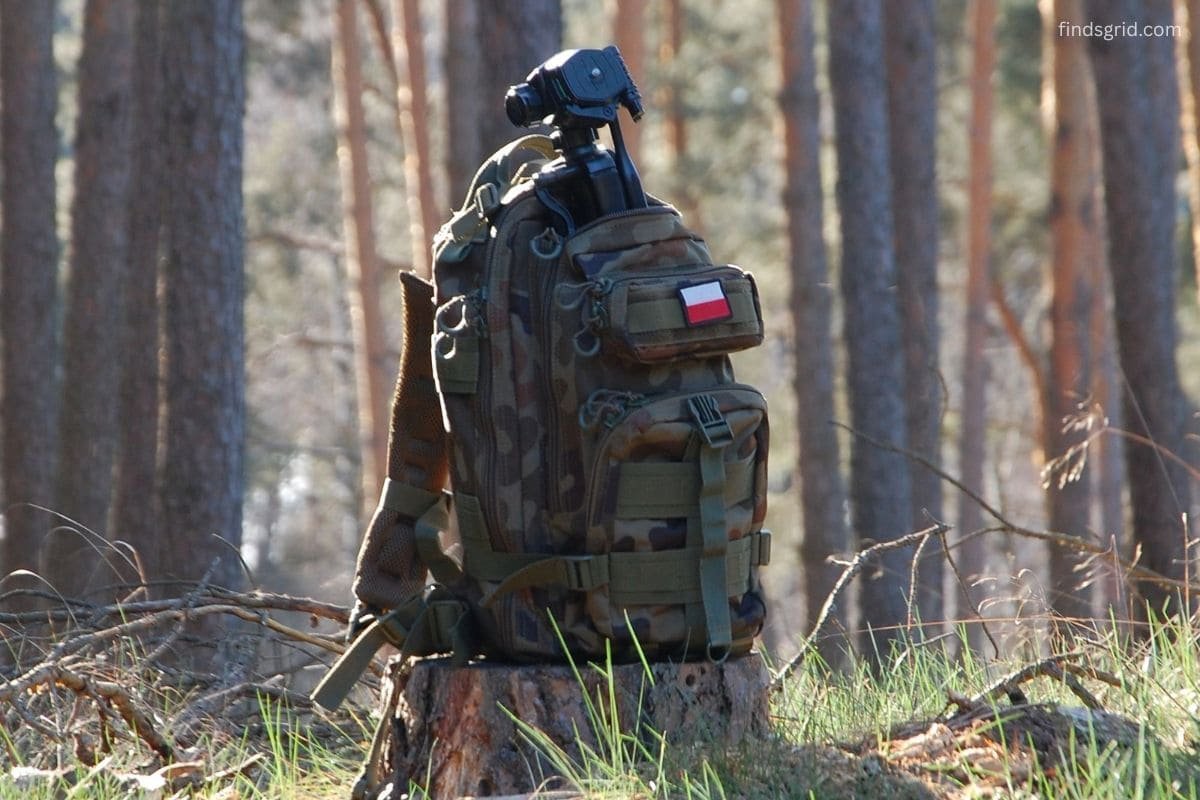
Home hurricane kit: stored water comes first, usually around a gallon per person per day. A gravity system is a good addition for families because it works on its own while you deal with everything else. Flood water can carry sewage and chemicals, so boiling belongs in the plan too.
Here’s how the common methods stack up.
| Method | Removes Bacteria/Parasites | Setup Time | Weight/Portability | Ideal For |
|---|---|---|---|---|
| Straw filter | Yes (not viruses) | Instant | Ultralight | Bug out bags, daypacks, backup |
| Squeeze pouch filter | Yes (not viruses) | 1 to 2 minutes | Very light | Day hikes, solo trips |
| Gravity system | Yes (not viruses) | 5 to 10 minutes, hands-free | Moderate | Groups, base camp, home kits |
| Pump filter | Yes (not viruses) | 3 to 5 minutes | Heavier | Shallow or silty sources |
| Boiling | Yes, including viruses | 10 to 20 minutes plus cooling | Needs stove and fuel | Flood water, boil advisories |
| Chemical tablets | Mostly (Crypto needs a long wait) | 30 minutes to 4 hours | Ultralight | Backup layer |
Taking care of the thing
Most filters don’t wear out. They get neglected.
So, how long do portable straw water filters last? Most are rated for about 4,000 liters, which is roughly 1,000 gallons. For weekend hiking that’s years. Muddy water cuts into it, though, so treat that number as a best case. The easiest sign a filter is finished is flow. If it gets hard to drink through and backflushing doesn’t help, the fibers are clogged for good.
Backwashing just means pushing clean water backward through the filter to flush out silt. Some models want you to blow air through instead, so read yours. Use clean water, not creek water, and let it dry fully before you store it.
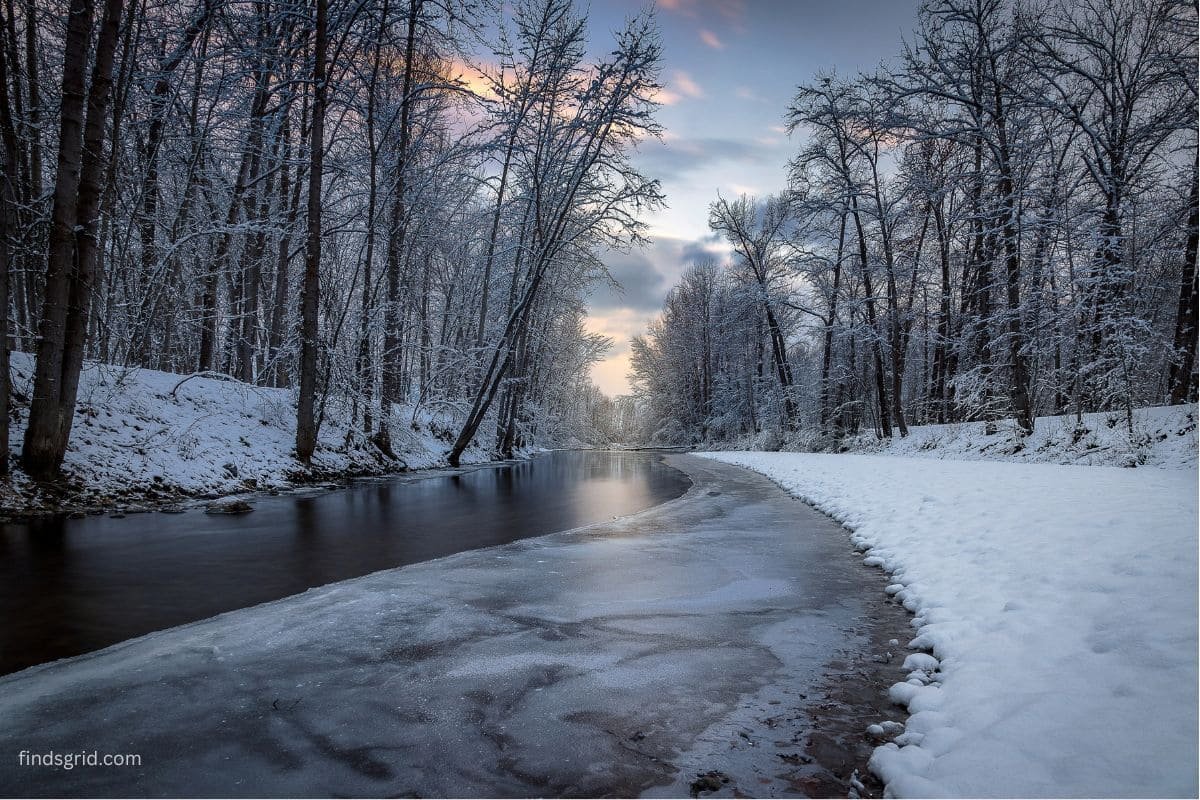
Freezing is the sneaky one. A wet filter that freezes can crack inside, because the water in the fibers expands as it turns to ice. You can’t see it. The filter still looks fine and still passes water, but it may have stopped catching what it should. In cold weather, keep it in your jacket or sleeping bag overnight. If one freezes solid while wet, replace it. Not worth gambling on.
When to skip a water source entirely
Anything downstream from farms, campgrounds, or a lot of animal traffic. Anything with a chemical smell or an oily shine. Algae blooms. Flood water near sewage or fuel. A filter can’t turn a bad source into a good one, so when something feels off, go find another.
Quick questions
No. They catch microorganisms and particles, not salt or dissolved chemicals. Seawater needs desalination, and chemically polluted water needs a different source altogether.
Watch for three things: you’ve passed the rated volume, the flow stays slow after backflushing, or it froze while wet. Any of those means a new one.
It’s a good layer, not the whole plan. Pair it with stored water and a way to boil or treat water, since flood water can carry things a straw can’t handle.
No. A 0.2-micron filter stops bacteria and protozoa, but viruses are smaller than that. Boil or treat the water if sewage is possible.
Where that leaves you
Clear water isn’t safe water. A filter with 0.2-micron pores handles bacteria and parasites, boiling or treatment covers viruses, and keeping the filter clean and away from freezing temperatures is what makes it last.
Then, honestly, just put one in three places: your car, your daypack, and the shelf at home with the flashlight and stored water. It weighs next to nothing, and you’ll be glad it’s there the first time you actually need it.