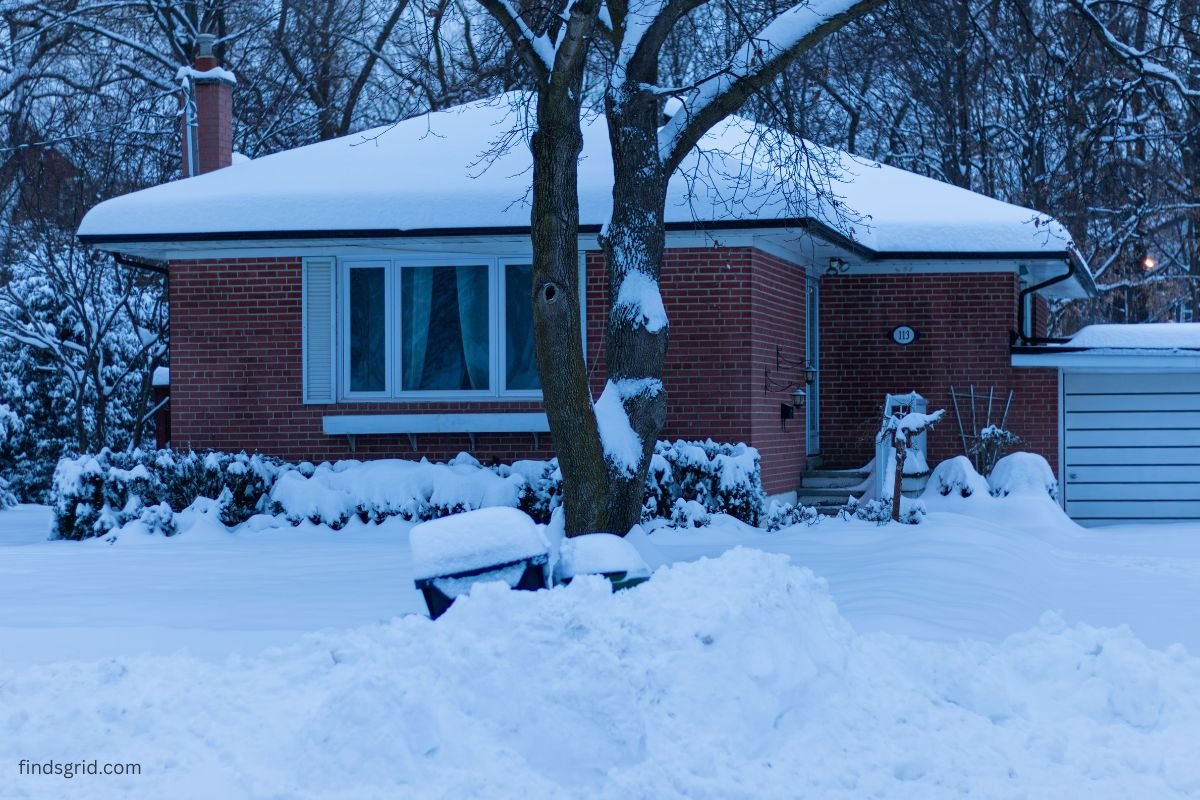
Knowing how to prevent frozen pipes in extreme cold can be the difference between a quiet night and a flooded house. The forecast just jumped from “cold” to “dangerous,” and by morning temperatures will be far below freezing. You can stay warm on the couch, but your plumbing can’t. It’s stuck inside uninsulated walls, a damp crawl space, and that spigot by the back door, and tonight the cold is going to test every inch of it.
Here’s what makes it nasty. Frozen water expands, and a pipe that can’t flex will split. You usually don’t see it happen. You find out later, when the ice melts and water starts dripping through your ceiling. One break can ruin drywall, floors, and insulation fast. The good news? Getting ready is easy, and most of it takes minutes. I’ve split these winter freeze protection hacks for homes into three parts: outside, inside, and the night of the freeze.
Quick Answer: Preventing winter pipe freezes relies on letting vulnerable faucets drip slowly during extreme cold, insulating exposed indoor and outdoor pipes with foam sleeves, and disconnecting outdoor garden hoses. Keeping cabinet doors open under sinks allows warm indoor air to circulate around plumbing. Knowing your main water shutoff valve location is the single most important safety measure.
The Cheat Sheet
Short on time? Read this and you’ve got the gist. The rest of the article fills in the details.
| Winter Freeze Risk Area | Common Oversight | Easy DIY Freeze Protection Hack | Emergency Risk Level |
|---|---|---|---|
| Outdoor spigots | Leaving hoses attached | Disconnect, drain, and cover the spigot | High |
| Foundation vents and rim joist | Ignoring small drafts | Seal gaps, close vents safely | Medium |
| Attached garage | Leaving the door open | Keep it closed, weatherstrip, wrap pipes | Medium |
| Basement and crawl space pipes | Assuming the space stays warm | Install foam sleeves, tape seams | High |
| Attic exhaust and recessed lighting | Gaps in insulation | Re-insulate with proper clearances | Low to Medium |
| Under-sink plumbing on exterior walls | Keeping cabinet doors shut | Open doors for warm air | Medium |
| Thermostat settings | Turning heat way down at night | Hold a steady, safe minimum | Medium |
| Faucets on cold nights | Letting water sit still | Set a slow, steady drip | High |
| Main water shutoff | Never locating or testing it | Find it, label it, practice turning it | Critical |
| Already-slow frozen line | Waiting for it to thaw alone | Apply gentle heat right away | High |
Why Pipes Burst (and How to Prevent Frozen Pipes in Extreme Cold)
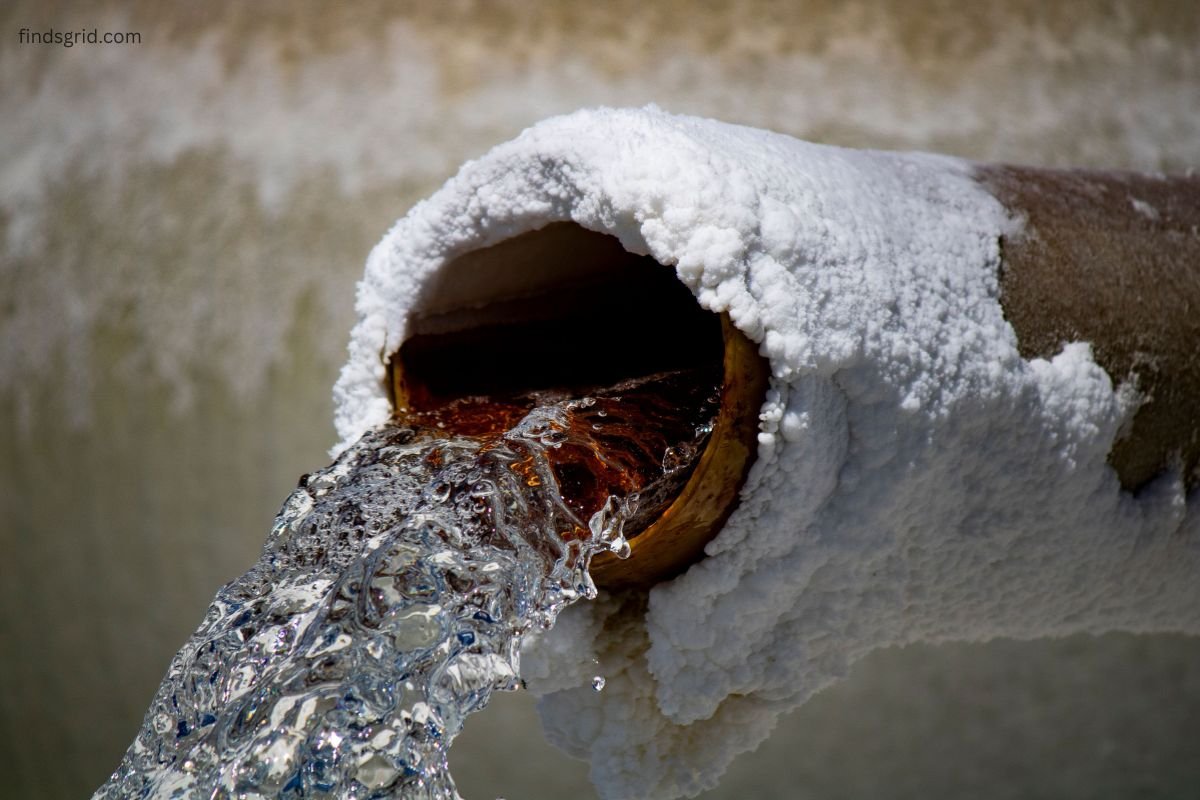
Most people blame the ice. Not quite. The ice plug isn’t usually what cracks the pipe. It’s the water trapped between that plug and a closed faucet. The ice keeps growing, the pressure climbs, and the weakest spot lets go. Often that spot is somewhere you’d never think to look.
So every tip below does one of three things. It keeps pipes warmer, keeps water moving, or helps you shut the water off quickly. That’s it. Renting? Almost everything here is removable and low-risk, though it’s smart to check with your landlord before changing anything permanent.
Part 1: Outside the House
Hack 1: Disconnect Hose Bibs and Cover the Spigots
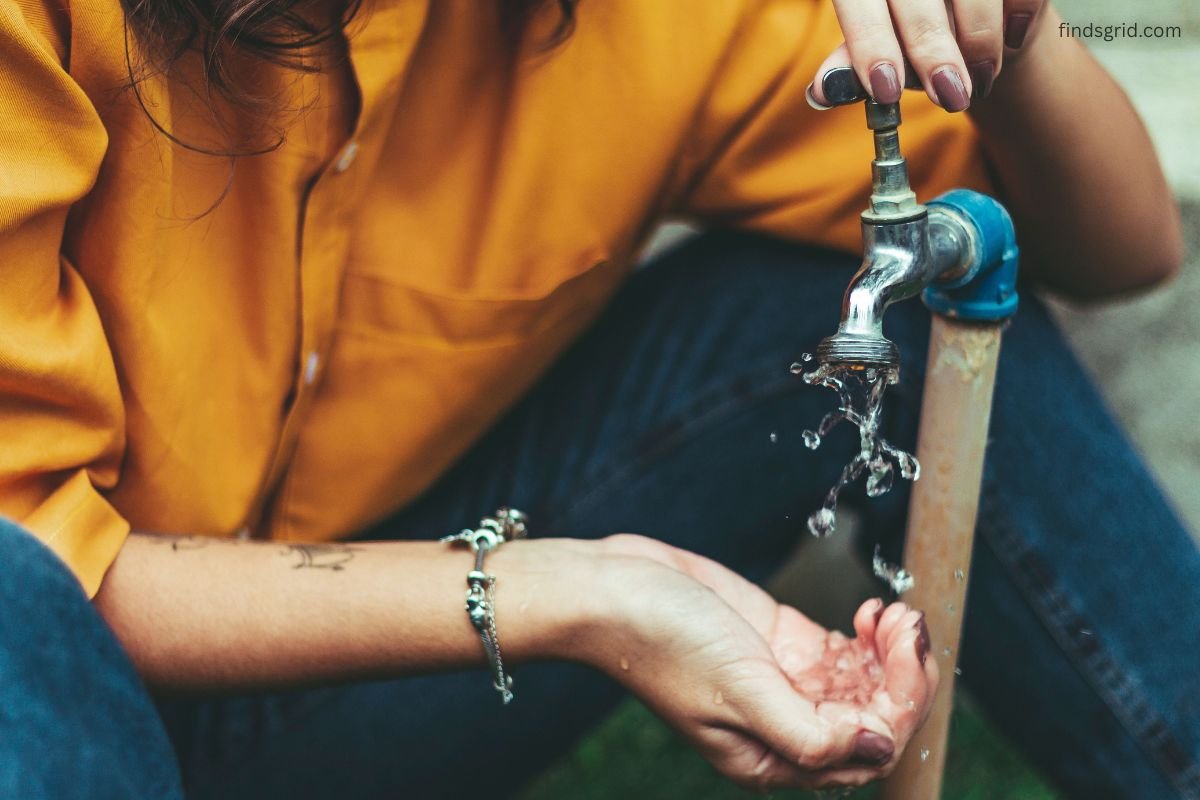
If you do nothing else outside, pull the hoses. A hose left on traps water in the spigot and in the pipe behind it, and that pipe runs inside your wall. When it freezes, the crack forms where you can’t see it.
Unscrew the hose and drain it. If there’s an interior shutoff valve for that spigot (check the basement or crawl space), close it. Then open the outdoor spigot to let any leftover water out, and finish with an insulated dome-style cover pressed snug against the siding. No cover yet? A towel wrapped around the spigot and tucked into a plastic bag will hold you over for a night or two. Just keep it dry.
Hack 2: Seal Foundation Vents and Rim Joist Drafts
The rim joist is where your house frame sits on top of the foundation, and it leaks air like crazy. Cold air coming through there, or through open foundation vents, can chill every pipe nearby. If your home allows it, close the foundation vents for winter. Then seal the gaps with caulk, spray foam, or rigid foam board.
Now, a warning, and I mean this one. Never block vents that feed combustion air to a furnace, water heater, or any other fuel-burning appliance. Don’t crowd a flue or chimney either. Not sure which vent is which? Check the appliance manual or ask a licensed technician. Of all the sub zero temperature home safety tips you’ll read, this one protects your family and not only your pipes. And after a snowstorm, go clear the snow off your exterior exhaust and intake vents so fumes have somewhere to go.
Hack 3: Keep the Garage Door Shut
An attached garage often has water lines in a shared wall or running overhead. Leave the door open and you’re aiming arctic air right at them. During a freeze, keep it closed, even when you’re home and only “running out for a sec.” Add weatherstripping where you can see daylight, and wrap any water lines on exterior garage walls with foam sleeves. A washer, utility sink, or spare fridge out there? Check those supply lines too.
While you’re winterizing outside, don’t forget your garden. Potted plants and tender beds need protection too, so see how to protect plants from first frost with mulch, frost cloth, and a few simple habits.
Part 2: Inside the House
Hack 4: Foam Sleeves on Pipes in Basements and Crawl Spaces
Got one afternoon and one hardware store trip? Spend it here. Pipes in unheated basements, crawl spaces, and exterior walls take the worst of the cold, and foam sleeves are about as easy as home projects get. This is the heart of any winterizing home plumbing DIY guide for a reason.
Measure the pipe first so you buy the right size. Slip the sleeve on, or open it along the seam that’s already cut. Tape every seam, and don’t skip the elbows and joints, because those get forgotten all the time. Start with whatever runs closest to the foundation wall.
Keep in mind that insulation doesn’t create heat. It only slows how fast heat leaves, which buys you hours, not days. Caught without sleeves while the temperature drops? Rags, newspaper wrapped in plastic, or old blankets work as emergency pipe insulation winter hacks until you can get the real thing.
Hack 5: Check Attic Insulation Near Vents and Recessed Lights
This one catches people off guard. Gaps around bathroom fans, recessed lights, and chimney chases let warm air slip out, and that makes cold pockets that can chill nearby pipes. It also feeds ice dams on the roof.
Grab a flashlight and climb up for ten minutes. Look for insulation that’s slumped, squashed, or missing. Don’t pack it against a chimney or flue, since those need clearance. Only cover recessed lights that are rated for insulation contact. And check that exhaust ducts are really connected and vent outdoors rather than dumping into the attic.
Fixing these gaps also keeps the whole house warmer, and our guide on easy ways to cut your heating bills covers more simple fixes like this.
Hack 6: Open the Cabinet Doors Under Sinks
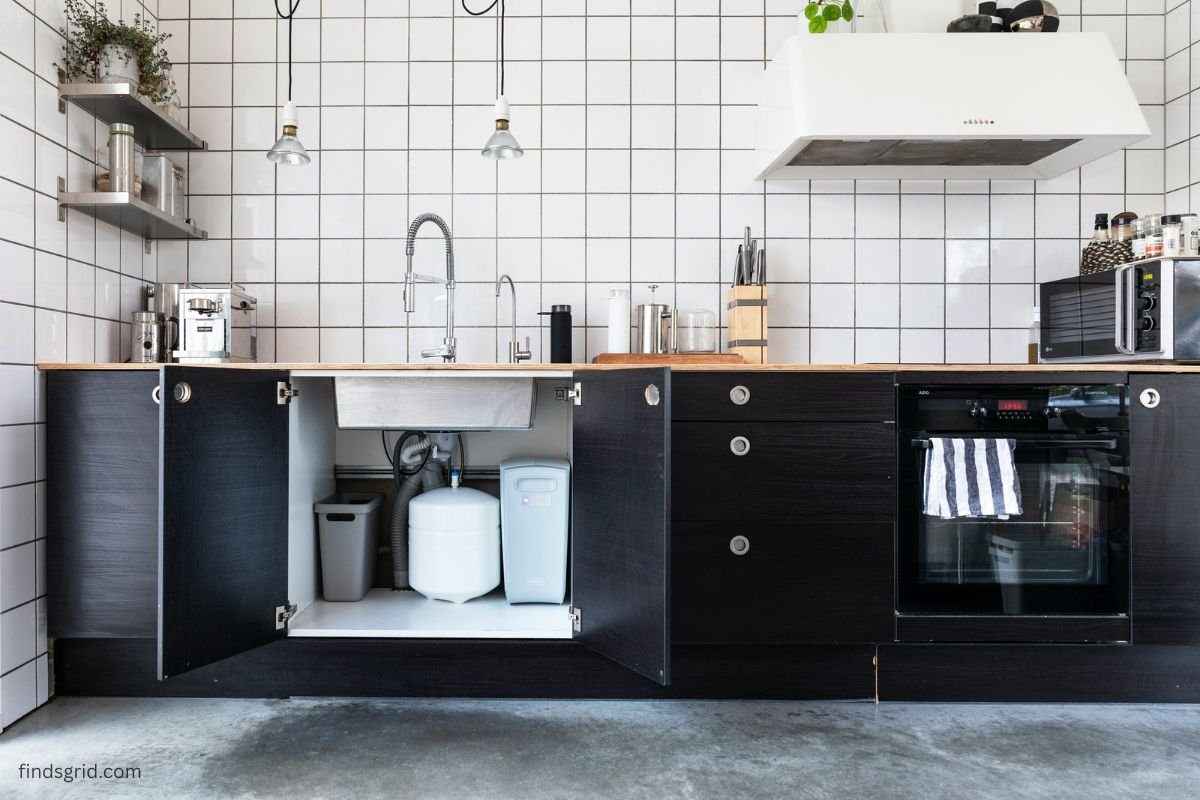
A closed cabinet is basically a little insulated box. Pipes inside it, especially along an exterior wall, can get far colder than the room around them. On freezing nights, open the doors under the kitchen and bathroom sinks so warm room air can reach the plumbing. Got small kids or pets? Move the cleaning products out of reach first. It takes thirty seconds and costs nothing, yet it’s one of the simplest ways to prevent frozen pipes in extreme cold.
Hack 7: Keep the Thermostat Steady
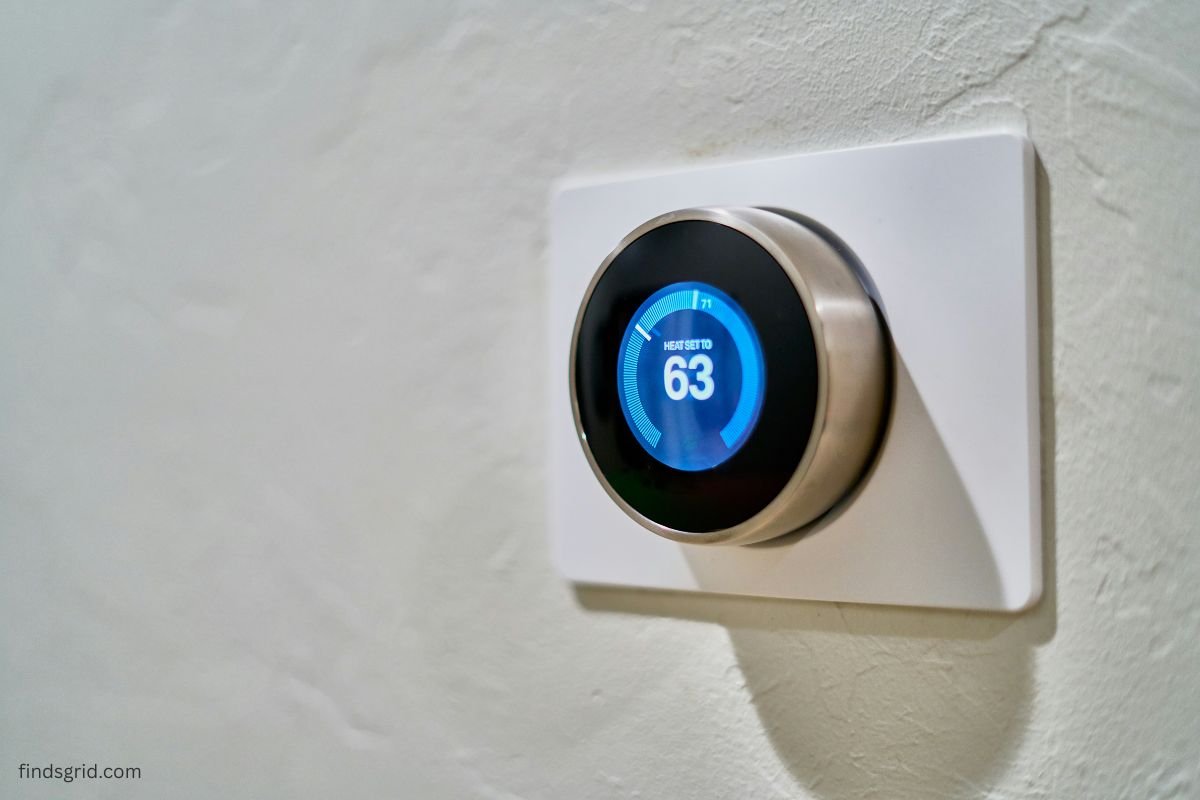
Lowering the heat at night is a normal habit, and most of the year it’s fine. A hard freeze isn’t most of the year. Pipes inside walls and floors cool faster than the air you feel, so a cold house at 3 a.m. can mean frozen pipes by morning. Keep the thermostat set to the same temperature day and night, and don’t let it drop below 55°F. The American Red Cross recommends that minimum if you’re away, and a warmer setting makes sense if your house has cold spots you already know about.
Worried about what steady heat does to your energy bill? These winter home heating hacks can help you stay warm without overspending.
Heading out of town? Don’t shut the heat off. Set a safe minimum and ask a neighbor to peek in. If you’ll be gone for a long stretch, think about shutting off the main water and draining the lines.
Part 3: The Night of the Freeze
Hack 8: Let Faucets Drip
Old advice, and it still works. An open faucet gives building pressure somewhere to go, so a partly frozen pipe is a lot less likely to burst. Moving water also takes longer to freeze. You don’t need a stream, just a steady drip. Pick faucets on exterior walls or at the far end of the house from where water comes in. If one has separate hot and cold handles, let both drip.
Hack 9: Know Where Your Main Shutoff Is, and Test It
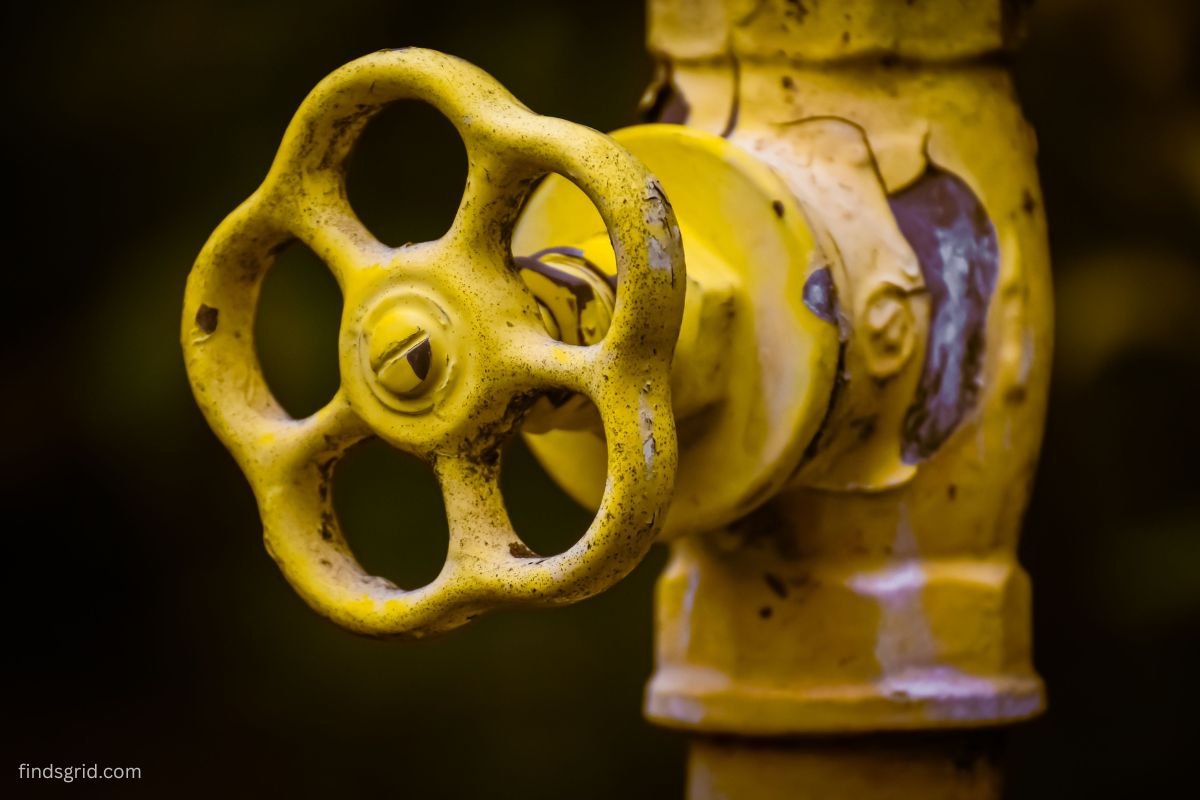
When a pipe bursts, seconds matter. Yet plenty of people find out mid-flood that the valve is stuck, buried behind boxes, or something nobody in the house has ever touched.
It’s usually where the water line enters the home: a basement wall, utility room, garage, or near the water heater. In milder climates it may be outside by the meter. Turn it off, then back on. A lever handle (ball valve) needs a quarter turn. A round wheel (gate valve) takes several turns clockwise. Then label it with something bright and show everyone in the house. If it’s stiff or won’t move, call a plumber and have it replaced now, not during an emergency.
Hack 10: The Hair Dryer Trick and Heat Tape
You turn on a faucet and only a trickle comes out. Probably a frozen pipe. Stay calm and go gentle.
Open that faucet so water can flow as the ice melts. Then warm the pipe, starting at the faucet end and working back toward the frozen spot. A hair dryer, heating pad, or towels soaked in hot water all do the job. Keep going until full pressure returns, then check the line for cracks or leaks.
For pipes that freeze over and over, heat tape (also called heat cable) is a longer-term fix. Follow the manufacturer’s directions exactly, don’t overlap it unless it’s made for that, and only use it on pipes it’s rated for. And please, no open flames or propane torches, ever. Never handle electrical devices while standing in water either.
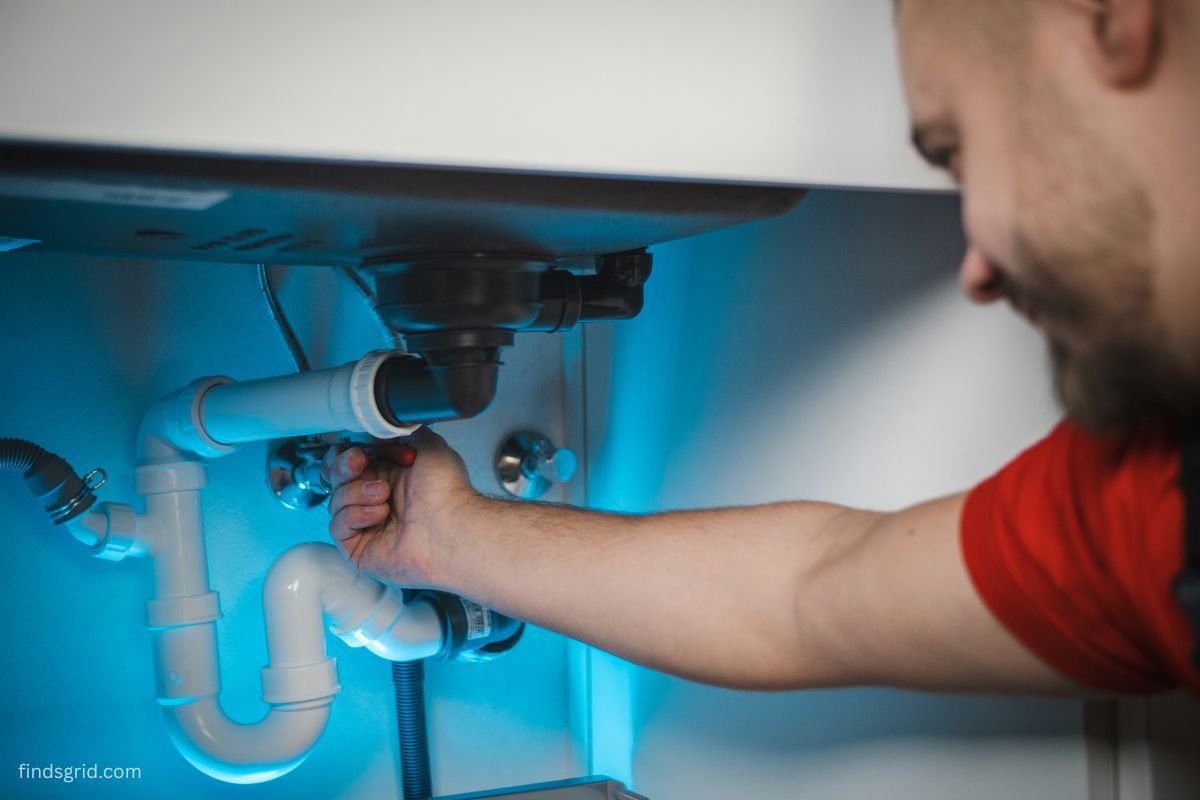
Mistakes That Make Frozen Pipes More Likely in Extreme Cold
Even careful people slip up. These are the ones that do the most damage.
Waiting too long. Wrapping pipes and sealing drafts is miserable once it’s already freezing. Start when the forecast first hints at a hard freeze.
Leaving a hose on “for now.” That trapped water is exactly what cracks the pipe behind your wall.
Cranking the heat down overnight. The savings aren’t worth it. Pipes in walls cool faster than the room does.
Trusting a closed cabinet. Under-sink pipes on exterior walls can be much colder than the room. Open the doors.
Getting the drip wrong. Full blast wastes water. No drip leaves the pressure trapped. Slow and steady wins.
Reaching for a torch. It can scorch the pipe, damage framing, and start a fire. Stick with a hair dryer, heating pad, or warm towels.
Sealing the house too tight. Fuel-burning appliances need combustion air and a clear exhaust path. Never block them, and keep snow cleared from outdoor vents.
Never testing the main shutoff. A valve that hasn’t moved in years can seize up. Test it now.
Frequently Asked Questions
Water freezes at 32°F, but pipes inside a heated home don’t usually freeze the second it hits that outside. According to Consumer Reports, frozen pipes usually happen when temperatures fall below 20°F, though it can happen above that, especially if the cold lasts for several hours. Pipes in exterior walls, crawl spaces, and unheated areas go first, and wind, thin insulation, and long cold spells speed things up.
Yes, in extreme cold. Choose faucets fed by pipes that run through exterior walls, unheated basements, crawl spaces, or garages, plus the one farthest from where water enters the house. If a faucet has separate hot and cold handles, let both drip. A slow, steady drip is plenty.
Open the faucet on that line, then gently warm the pipe with a hair dryer, heating pad, or warm towels, working from the faucet toward the frozen part. Never use open flames. If you can’t find the frozen spot, can’t thaw it, or you notice a crack or leak, shut off the main water supply and call a licensed plumber.
Your Freeze-Night Checklist
Screenshot this before the cold arrives:
- Hoses disconnected, spigots drained and covered
- Foam sleeves on exposed pipes, seams taped
- Garage door closed
- Cabinet doors open under sinks
- Thermostat set to a steady, safe temperature
- Faucets on exterior walls dripping
- Main shutoff found, tested, and labeled
- Vents for fuel-burning appliances clear of snow and blockages
Final Thoughts
You really don’t need a whole weekend. Thirty focused minutes handles most of it: pull the hoses, wrap the exposed pipes, open a few cabinets, find your shutoff, keep the heat steady. Now you know how to prevent frozen pipes in extreme cold, so do it before the first deep freeze rolls in and let the wind howl all night. Your house will be ready, and honestly, so will you.
Sources: Tips in this guide are based on frozen-pipe guidance from the American Red Cross.