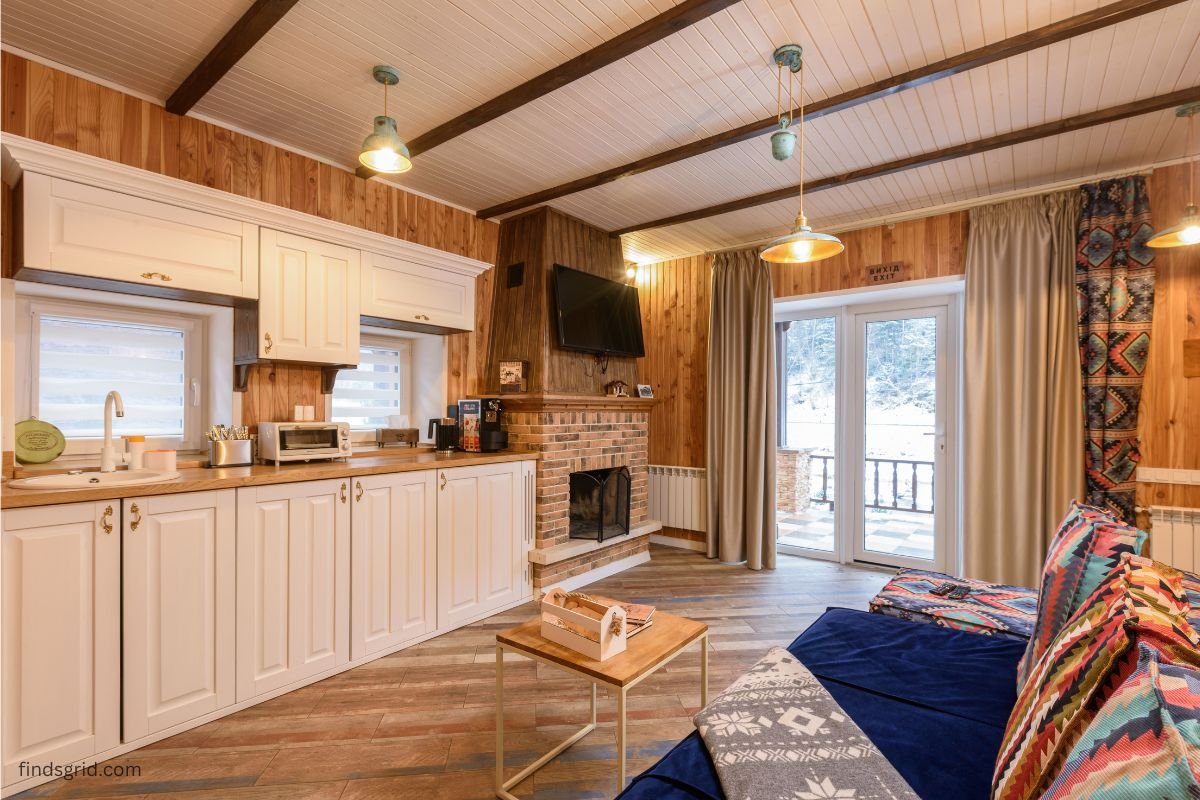
These winter home heating hacks start with a moment most of us know well. The first real freeze hits, and you feel it before you’re even out of bed. The furnace has been kicking on every twenty minutes. The floor is ice. A thin ribbon of cold air is sliding under the front door and slipping through the window frames like it pays rent.
So you nudge the thermostat up. Then up again. A few weeks later, the heating bill shows up and you wince.
Truth be told, keeping a house cozy in sub-zero weather shouldn’t mean dreading the mailbox. Most of the heat you pay for leaks out through small gaps, and plugging them takes more common sense than money. Everything below is simple, mostly DIY, and you can knock out a handful of fixes in one afternoon.
Quick Answer
The best winter home heating hacks to lower bills are sealing window and door drafts, reversing ceiling fans clockwise to push trapped warm air down, and hanging heavy thermal curtains to block cold glass. Simple habits like opening blinds during sunny hours and insulating outlets prevent significant heat loss. Stack these small fixes together and your furnace finally gets to take a breather.
Hack 1: The Ceiling Fan Reversal Trick
Warm air rises. Great for hot-air balloons, lousy for your living room.
All that heat you’re paying for drifts up to the ceiling and sits there while you sit on the couch in a hoodie. This is one of the most overlooked fixes in the whole house, mostly because people forget the fan has a winter setting at all.
Here’s the thing: there’s a small switch on the motor housing, usually just above the blades. Flip it so the blades spin clockwise when you look up at them. Then run the fan on its lowest speed. That gentle motion pulls cool air up and nudges the warm layer along the ceiling and down the walls, back to where you actually live.
Quick test. Stand under the fan. If you feel a breeze, it’s spinning the wrong way. You should feel almost nothing, because you want moving air without a wind chill. It makes the biggest difference in rooms with high or vaulted ceilings, where heat likes to hide out of reach.

Hack 2: Sealing Window Drafts with Removable Weather Stripping or Bubble Wrap
Let’s be honest, windows are usually the biggest offender. And no, you don’t have to replace them to fix the problem. Here are some drafty window insulation DIY hacks that work:
- Removable rope caulk or weather stripping. Press it into the gaps around the sash and frame. It peels off cleanly in spring, no mess.
- Bubble wrap. Sounds silly, works great. Mist the glass with a little water, press the bubble wrap on with the bubbles facing the glass, and it sticks by itself. It traps a layer of air and still lets daylight through.
- Window insulation film. Clear plastic attaches with double-sided tape around the frame, then shrinks tight with a hair dryer. Once it’s up, you’ll barely notice it.
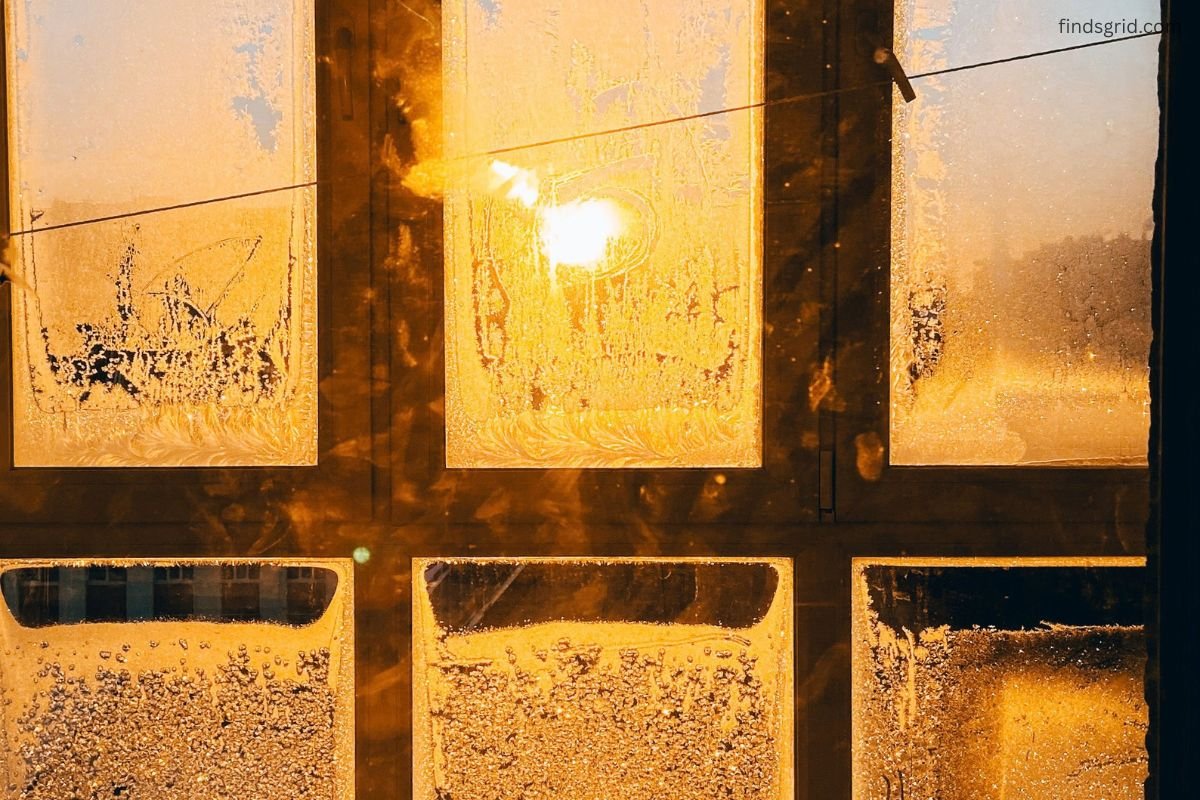
Not sure where the leaks are? Wait for a windy day and hold a lit incense stick or a thin strip of tissue near the frame. If the smoke wobbles or the tissue flutters, you’ve found one. Seal those spots first.
Hack 3: Thermal Curtains: Solar Heat Harvesting by Day, Insulation by Night
Think of thermal curtains as a blanket for your windows. Glass is a poor insulator, and on a bitter night it practically breathes cold into the room. A thick, lined curtain creates a pocket of still air that slows that down.
Timing matters more than most people realize.
- During the day, open the curtains on south-facing windows and let the sun in. That’s free heat. Take it.
- At dusk, close them before the temperature drops. Shut them early and you lock in the warmth you just collected.

A common mistake is curtains that hang a few inches off the wall with big gaps at the sides. Cold air just spills around them. Pick curtains that sit close to the wall and reach the sill or the floor. No thermal curtains? Layer a regular curtain over a blanket or a lined drape. It’s not pretty, but it works.
Hack 4: Reflective Foil Panels Behind Radiators or Baseboard Heaters
If your radiators or baseboard heaters sit on exterior walls, a surprising amount of their heat soaks straight into the wall and heads outside. Now, why does this happen? Because the wall is colder than the room, and heat always moves toward cold.
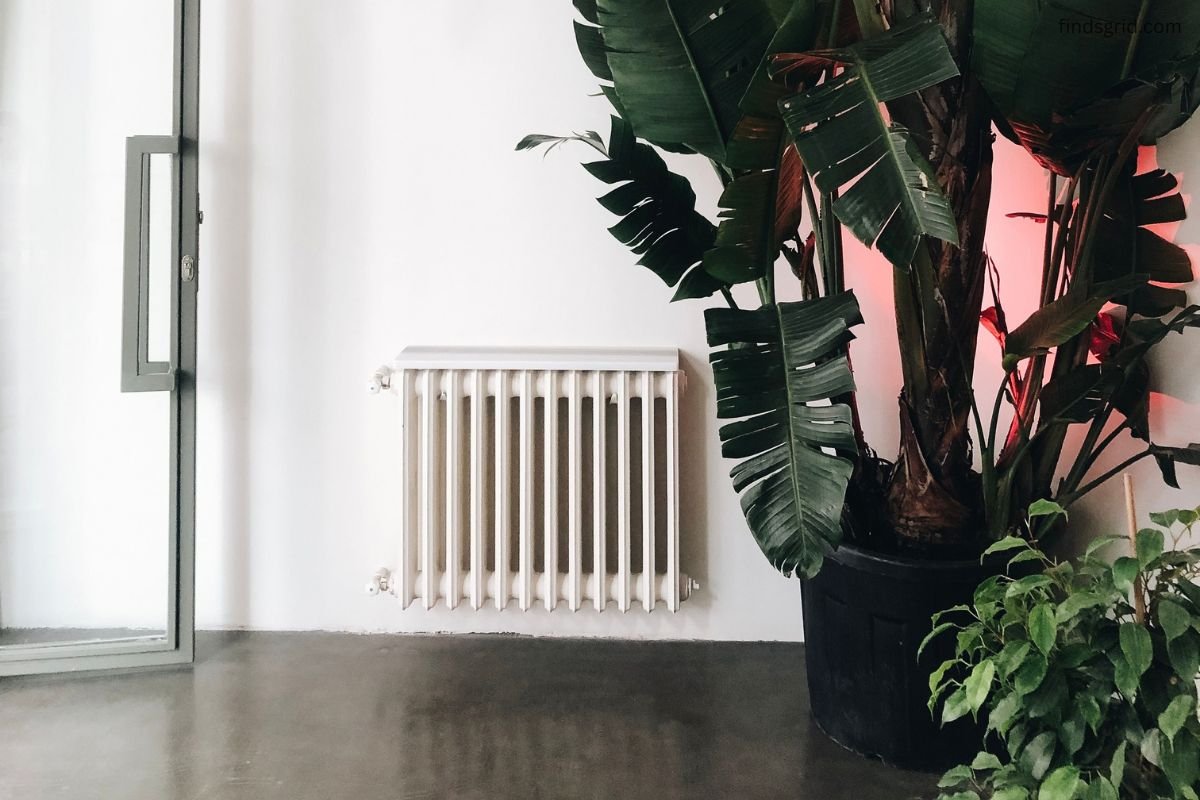
The fix is simple: put a reflective barrier behind the unit so the heat bounces back into the room. You can make one with rigid foam board or sturdy cardboard wrapped in heavy-duty aluminum foil, shiny side facing out. Cut it a bit smaller than the heater and slide it behind, leaving a small air gap. Keep it from touching hot surfaces, and skip it entirely if your heater’s manufacturer advises against it. If you have electric baseboard heaters, check the manual first.
It takes about fifteen minutes. The heat you’re already making just goes further.
Hack 5: Door Draft Stoppers for Drafty Hallways and Unheated Rooms
See that sliver of light under the door? Cold air uses it as a highway.
A draft stopper, sometimes called a door snake, is one of the quickest wins on this list. You can buy one, but making your own is easy. Stuff a long fabric tube with rice, dried beans, or old rags, and sew the ends shut. In a pinch, a rolled-up towel does the job. Put them at exterior doors and at doors leading to the garage, basement, or any room you rarely heat.
While you’re at it, check the weather stripping around the door frame. If you can see daylight around a closed door, or feel air moving, the seals are worn out. Replace them.
Hack 6: Unblocking Floor Vents and Air Registers for Better Circulation
This one is almost embarrassingly simple. Walk through your house and look at every vent, register, and return. Is a couch shoved up against one? A rug sitting on top? Heavy drapes hanging over it?
It happens all the time. People spend a weekend sealing windows while a sofa quietly smothers the heat vent six feet away.

Blocked vents make the furnace work harder, heat the house unevenly, and can strain the system over time. Clear a few inches of space around each one. Vacuum the dust out of the grates while you’re there, and swap the furnace filter if it’s due. A clogged filter chokes airflow and wastes energy. Of all the home energy saving tips for winter, this one costs you nothing but ten minutes.
Hack 7: Insulating Wall Outlets and Switch Plates on Exterior Walls
It sounds minor. It isn’t.
Outlets and switches on exterior walls are tiny holes in your home’s outer shell, and cold air can slip through them without you ever seeing it. Foam gaskets fix that. They sit behind the cover plate and take about a minute each with a screwdriver. Shut off the power at the breaker first, then unscrew the plate carefully. For outlets nobody uses, plastic safety caps add a little extra protection.
Do every exterior wall in the house. Those chilly corners will feel a bit less chilly.
Hack 8: Humidifier Magic: Why Moist Air Feels Warmer Than Dry Air
Winter air is dry, and heating it dries it out even more. Dry air pulls moisture off your skin, and that evaporation makes you feel colder than the thermostat says you should. Humid air slows that effect, so a room at a slightly lower temperature can feel just as comfortable.
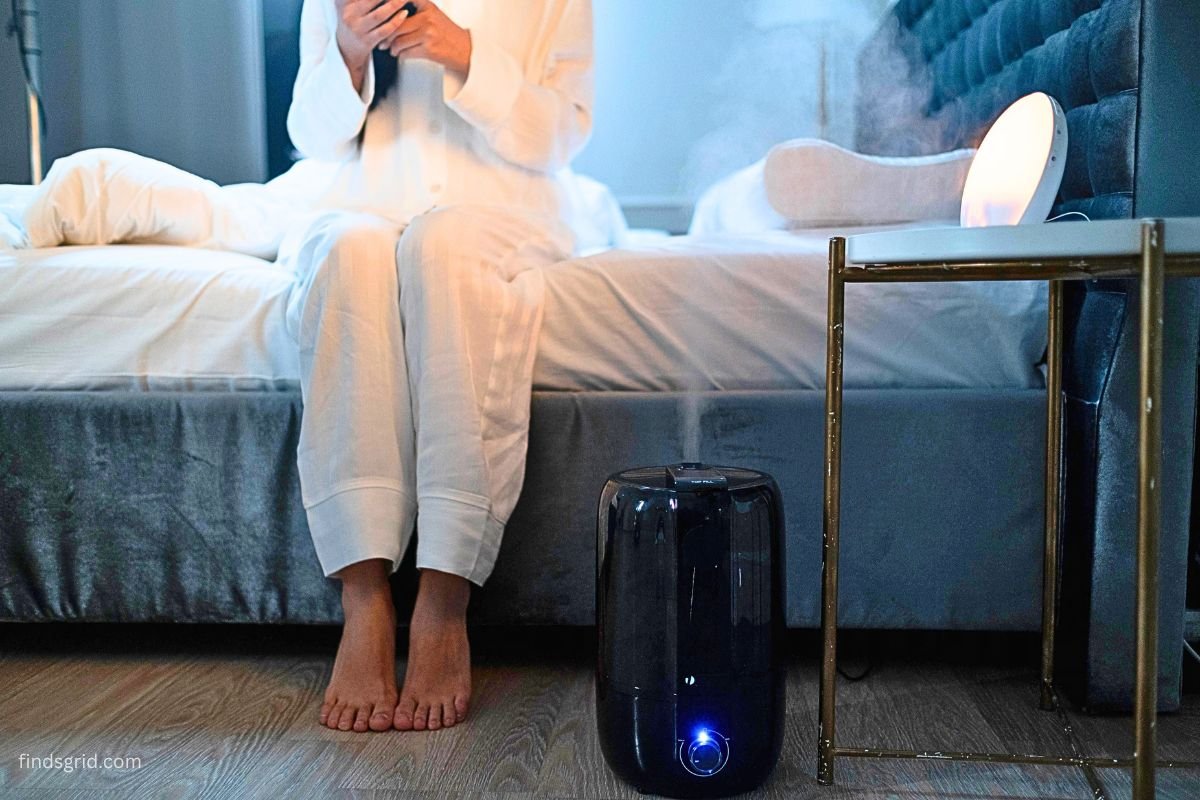
Aim for indoor humidity between 30 and 50 percent. A small hygrometer will tell you where you stand. To raise it, use a humidifier, simmer a pot of water on the stove, hang laundry to dry indoors, or set out bowls of water near (not on) heat sources.
Houseplants suffer from dry winter air too, and grouping them together is a simple way to raise humidity around them. For more on protecting plants as cold weather arrives, see our guide on how to protect plants from first frost.
One warning, though. Don’t overdo it. Too much moisture causes condensation on the windows and can lead to mold. If the glass is fogging up heavily, back off. Balance beats more water every time.
Hack 9: Rugs and Runners on Cold Hardwood or Tile Floors
Bare floors, especially over a basement or crawl space, pull warmth straight out of your feet. And once your feet are cold, the whole room feels cold.

Thick, dense rugs act like insulation underfoot. Add a rug pad underneath for extra insulating power and to stop the rug from sliding around. Runners in hallways and next to the bed are a small change with a big comfort payoff. When your feet are warm, you feel warm overall, and you’re a lot less tempted to bump up the thermostat.
Hack 10: Smart Thermostat Scheduling During Overnight Hours
You don’t need to heat the whole house to daytime temperatures while everyone is asleep or out. Under a pile of blankets, your body makes plenty of heat on its own.
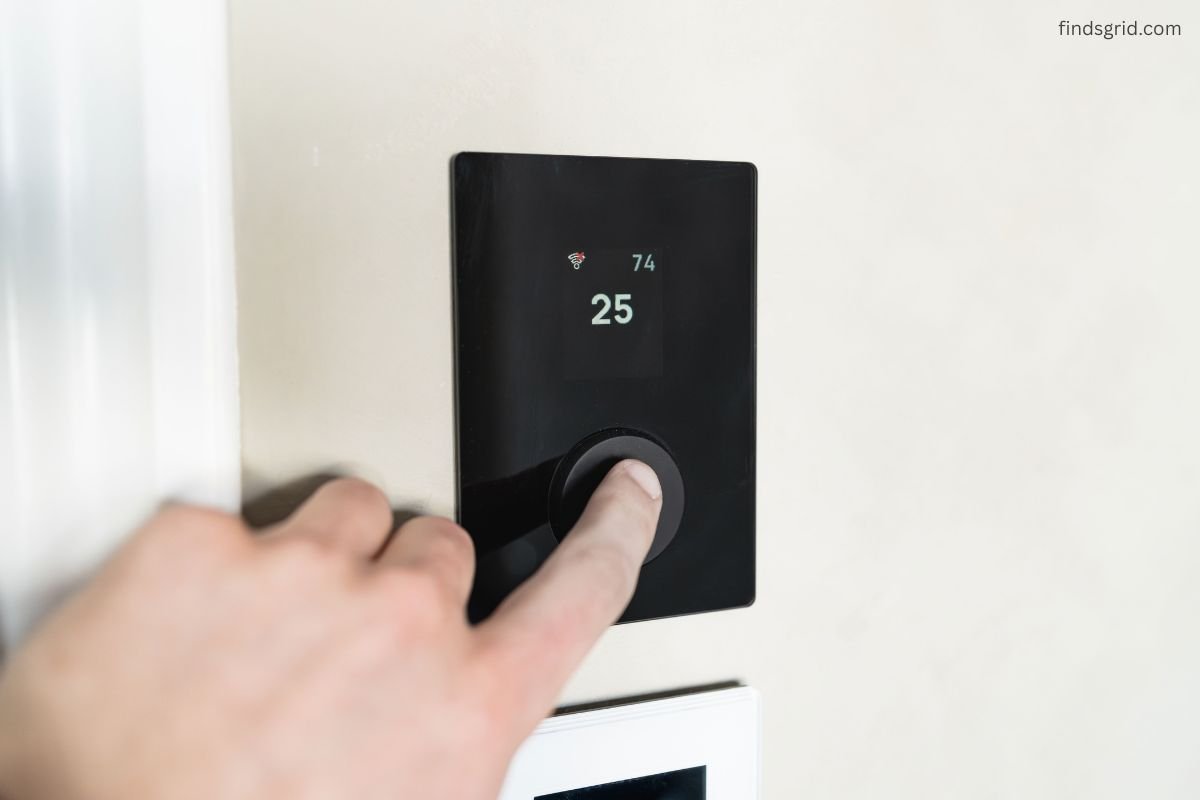
Set the thermostat a few degrees lower overnight and while you’re away. A programmable or smart thermostat handles this automatically, but a basic model works too if you build it into your routine. According to the U.S. Department of Energy, turning your thermostat back 7 to 10 degrees Fahrenheit for 8 hours a day can save up to about 10 percent a year on heating and cooling. Just program it to warm back up about thirty minutes before you wake, so you’re not stepping into a cold house. During a hard freeze, don’t let the house drop below 55°F, so your pipes stay protected.
Pair it with flannel sheets and a heavy comforter, and honestly, you won’t even feel the drop.
Before the deep freeze arrives, protect your plumbing too. Here’s how to prevent frozen pipes in extreme cold.
Where Your House Loses Heat (and How to Stop It)
| Winter Home Heat Loss Area | Common Mistake | Easy DIY Heating Hack | Expected Energy Impact |
|---|---|---|---|
| Windows | Ignoring small gaps around the frame | Rope caulk, bubble wrap, or shrink film | High |
| Ceiling and high spaces | Letting warm air pool at the top | Reverse ceiling fans to clockwise on low | Moderate |
| Window glass at night | Leaving curtains open after dark | Close thermal curtains at dusk | Moderate to high |
| Exterior doors | Overlooking the gap at the bottom | Door draft stoppers and fresh weather stripping | Moderate to high |
| Radiators and baseboards | Heat soaking into the exterior wall | Reflective foil panel behind the unit | Low to moderate |
| Vents and registers | Blocking them with furniture or rugs | Clear space around every vent | Moderate |
| Outlets and switches | Assuming they’re airtight | Foam gaskets behind cover plates | Low to moderate |
| Dry indoor air | Cranking the heat to feel warm | Raise humidity to 30 to 50 percent | Low to moderate |
| Bare floors | Leaving cold surfaces exposed | Thick rugs with pads | Low to moderate |
| Overnight heating | Running full heat while everyone sleeps | Schedule a temperature drop | Moderate to high |
Frequently Asked Questions
Clockwise, as viewed from below, and on the lowest speed. That pulls cool air up and pushes the warm air stuck near the ceiling back down along the walls. If you feel a direct breeze, the fan is spinning counterclockwise. Flip the little switch on the motor housing and try again. It’s one of the easiest winter home heating hacks you can do in under a minute.
Start by finding the leaks. An incense stick or a strip of tissue on a windy day will show you exactly where. Then seal the gaps with removable rope caulk or weather stripping, cover the glass with shrink film or bubble wrap, and hang lined thermal curtains. Together, those steps handle most drafts with a fraction of the effort of new windows. Honestly, this is the backbone of any good winterizing home living spaces budget guide.
It depends. Closing doors to rooms you rarely use keeps the heat where you actually spend your time. But if shutting a door cuts off a vent or a return, you can create pressure imbalances that make your system work harder. The safe approach is to close doors to unused rooms while keeping their vents open and the air able to move. When in doubt, try it for a few days and see if the house feels more even.
Final Thoughts on Winter Home Heating Hacks
You don’t need a big renovation to stay comfortable when the temperature plunges. Learning how to keep a house warm in extreme cold comes down to a few small moves: seal the gaps, trap the heat you already make, and manage the air inside. That’s really all these winter home heating hacks are about.
Give it one hour this weekend. Flip the fan switch, tuck a draft stopper against the door, hang the heavy curtains, and seal a few windows. By evening, you’ll feel it.
A snug, well-sealed home pays you back all season long. So bundle up, get to work, and give your furnace a well-earned break.
Source: Energy-saving figures in this guide are consistent with home energy guidance from the U.S. Department of Energy.