This post contains affiliate links. We may earn a commission if you purchase through them, at no extra cost to you.
The hike itself was great. Four hours, a frozen creek crossing, a ridge with that flat gray light you only get in December. But now it’s nearly dark, your toes ache, and you’re standing at a trailhead where the only other vehicle left an hour ago. You get in, turn the key, and the dash lights flicker. A click. Another click. Then silence. Maybe your car starts but the windshield is a solid sheet of ice and the washer lines are frozen. Either way, you’re stuck out there with no signal and a dropping temperature. I’ve seen hikers plan every ounce in their packs and never once look at their tires. Your car is the last piece of gear you’ll use all day, so learn to prepare your car for winter hiking trips before you ever leave the driveway.
Quick Answer: To prepare your car for winter hiking trips, have your battery tested before the cold sets in, keep a dedicated emergency kit and warm clothing in the trunk, and check your tire pressure and tread every time you head out. Cold weakens batteries, thins out tire pressure, and freezes summer washer fluid, so each of those needs attention before the trip, not during it. Twenty minutes in your driveway is usually all it takes.
It’s Usually the Small Stuff
When a car leaves someone stranded in winter, the cause is almost never dramatic. I can’t remember the last time I heard about a snapped belt or a blown engine at a trailhead. It’s a tired battery. A tire that’s been quietly losing air for a month. A washer tank still full of the stuff you filled in July. Cold doesn’t invent new problems, it just finds whatever you’ve been putting off. That’s really the whole idea behind outdoor vehicle prep for fall and winter: fix the little weak spots in October, while it’s still comfortable to be under the hood.
Prepare Your Car for Winter Hiking Trips: Start With the Battery
If you only do one thing, do this one. A car battery runs on a chemical reaction, and cold slows that reaction way down. So the battery puts out less power, while at the same time your engine oil has thickened up and the starter needs more power than usual to turn things over. A healthy battery handles that. An old one doesn’t, and it often waits until the coldest morning of the year to let you know.
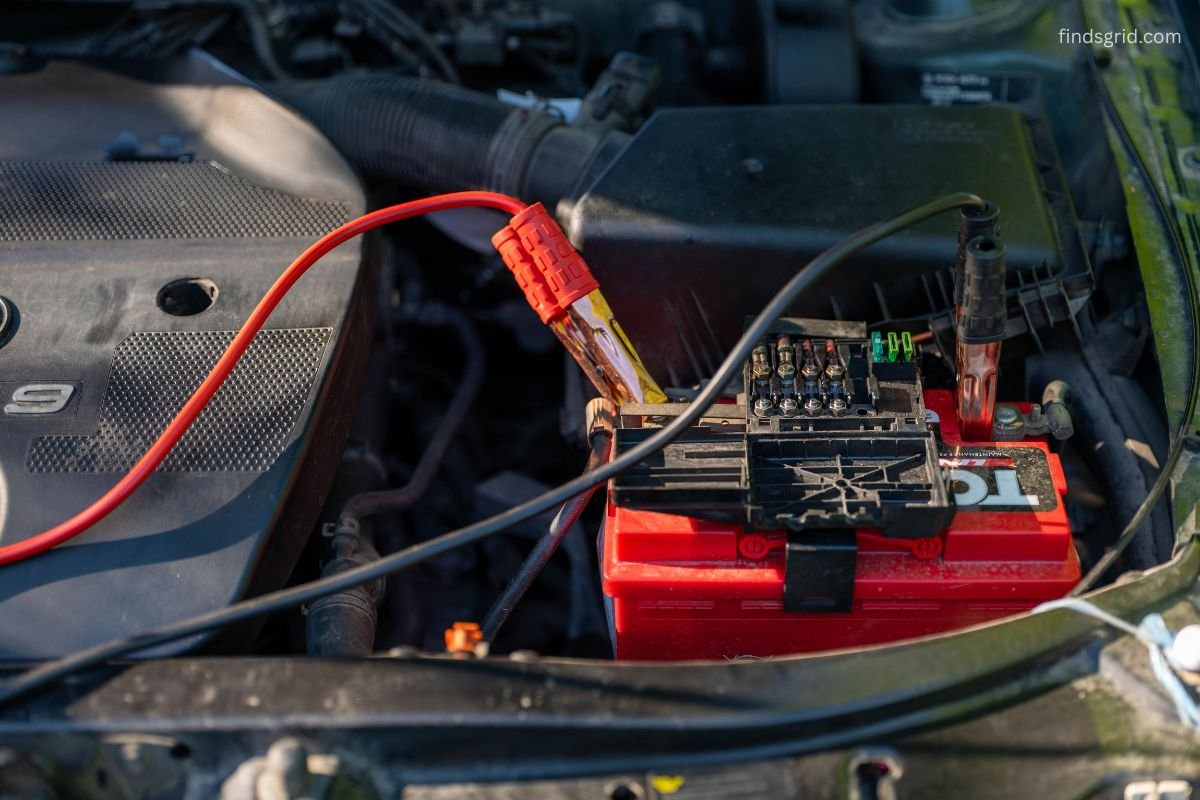
Preventing car battery failure in freezing weather starts with a load test. Most auto parts stores will run one for free, and it only takes a few minutes. Don’t rely on a simple voltage reading, because a battery can read fine and still fall apart the second you ask it to crank an engine. If yours is four or five years old, treat the test as non-negotiable.
Pop the hood and look at the terminals while you’re there. White or bluish crust around the posts means corrosion, and corrosion means a weaker connection. A wire brush cleans it up quickly.
A habit I picked up from a mechanic friend: before you turn the key on a cold morning, shut off everything. Fan, seat heaters, stereo, lights. Give the starter the whole battery. And if your car sits for a week or more between hikes, a plug-in battery maintainer keeps it topped up. Also, a slow, lazy crank is a warning. Don’t shrug it off. A slow crank in October turns into a dead car in January.
Fluids You Don’t Think About Until They Fail
Summer washer fluid freezes, plain and simple. Winter mountain roads throw salt, slush, and gritty film at your glass the entire drive, and you’ll use far more fluid than you expect. Swap to a winter-rated fluid that handles temperatures well below anything in your forecast, top it off before every trip, and keep a spare jug in the back. Driving a mountain pass with a frozen washer system is stressful in a way you only need to experience once.
Take a quick look at your coolant too, and check your owner’s manual for the right oil grade in cold climates. If that all sounds like a foreign language, a short stop at a shop before the season starts will sort it out.
Tires, Because Everything Else Depends on Them
Cold air shrinks. As a rough rule, tires lose about one PSI for every ten degrees Fahrenheit the temperature falls. So if you aired up on a mild afternoon and then parked overnight at a freezing trailhead, you’re probably running a few pounds low by morning. Soft tires feel vague in corners, wear out unevenly, and give up grip right when the road gets slick.
Check pressure with a real gauge, ideally when the car has been sitting for a few hours. Use the number on the sticker inside the driver’s door, not the number molded into the tire sidewall. That one is a maximum, not a recommendation.
Then look at the tread. Deep grooves move slush and snow out of the way. Worn ones don’t, and the tire just rides on top. The old quarter trick works fine: slide a quarter into a groove with Washington upside down, and if you can see the whole top of his head, the tread is getting thin for winter. Plenty of experienced drivers want at least 4/32 of an inch for snow.
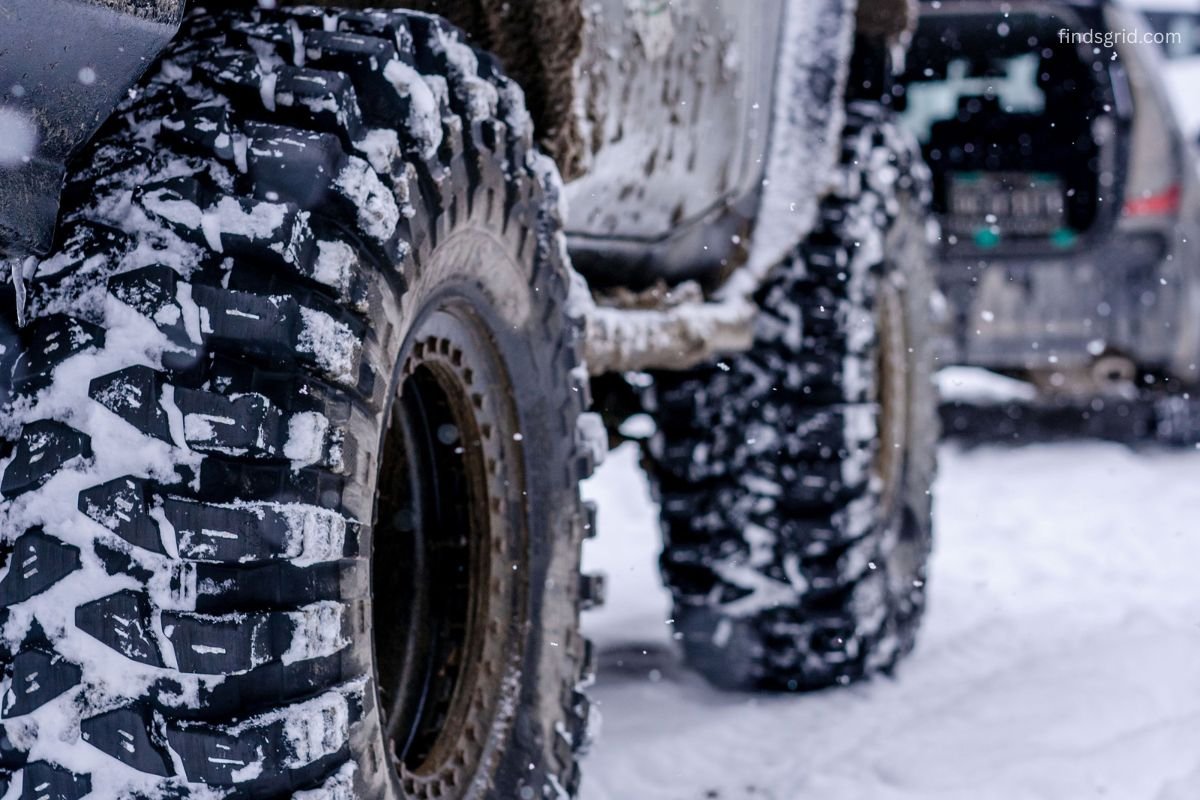
All-season tires get stiff when it’s really cold. If you regularly drive up to snowy trailheads, true winter tires make a big difference on ice and packed snow. And before you go, check whether your route has a chain or traction-device requirement during storms. Some passes do, and they enforce it.
A few winter trail driving safety tips that have kept me out of trouble: slow down before a curve, not in it. Leave far more room behind the car ahead than seems reasonable. Brake gently and early, since sudden moves break traction. On long downhills, drop into a lower gear instead of riding the brakes. And assume every bridge and shady corner is icy until you’ve proven otherwise.
The Trunk Kit That Stays in All Season
I think of a cold weather road trip emergency kit as having three jobs. Keep you warm, get you unstuck, get the car running. Everything else is a bonus. Mine lives in the trunk from about November through March.
The most useful single item, honestly, is a portable lithium jump starter. You don’t need a second car or a stranger’s help, which matters a lot when the lot is empty. Charge it before trips and keep it inside the cabin on the drive, since cold drains it too.
For warmth, I carry a couple of wool blankets and a mylar emergency blanket, because if you’re stuck, insulation is your heater. Add a puffy jacket, gloves, and a wool hat that stay in the car all winter and never get borrowed for the hike.
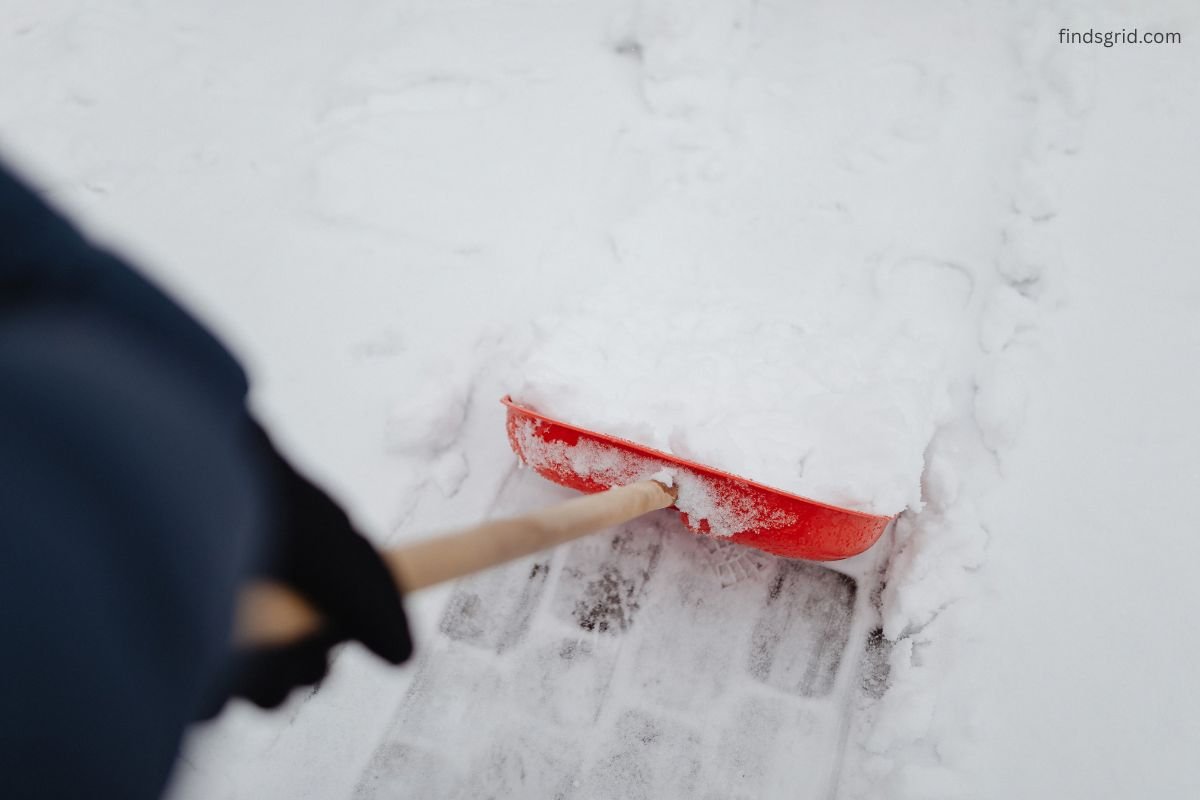
For getting unstuck, a sturdy folding metal shovel and a set of traction pads or recovery boards. The pads wedge under a spinning drive wheel, and plenty of times that’s all it takes. Skip the cheap plastic shovel, because packed snow will snap it.
The rest is simple stuff that adds up:
- Snacks that don’t spoil, like nuts, jerky, and bars, plus water in an insulated bottle (a regular bottle freezes solid)
- A headlamp with fresh lithium batteries
- A long-handled snow brush and ice scraper
- A first aid kit and a small tool roll
- A power bank, a charging cable, and a paper map for dead zones
- Hand warmers
- Reflective triangles or flares
One more thing that isn’t gear. Tell somebody where you’re parking and when you expect to be back. A kit helps you ride out a problem, but a person who knows to come looking ends it faster.
Wet Boots, Muddy Gear, and the Ride Home
People forget this part. You come off the trail soaked, climb in, and within ten minutes every window is fogged and the cabin smells like a locker room.
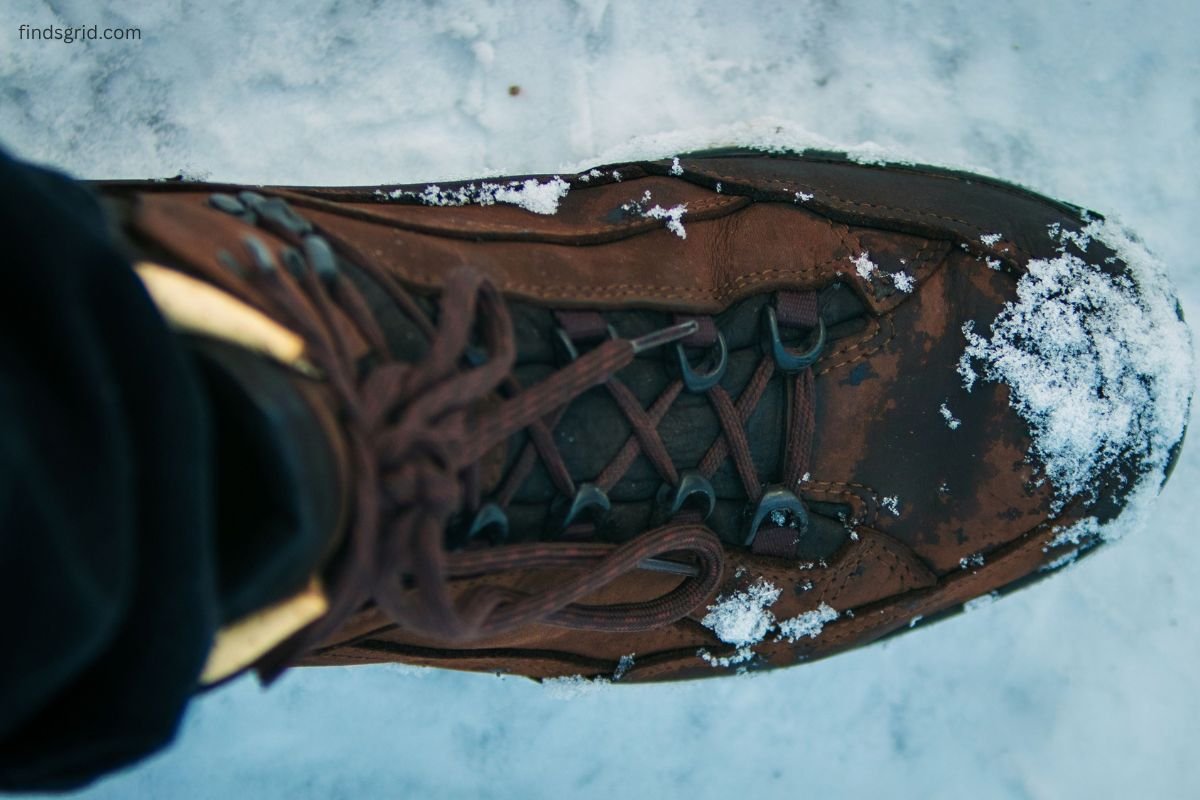
What works for me is a drive-home bag. Dry socks, a dry base layer, a hat, and some comfortable shoes. Changing right at the car does more to warm you up than cranking the heater. Wet boots and muddy layers go into a plastic tub or heavy bag, and that goes in the trunk, not the back seat. Moisture left inside the cabin ends up on the glass. A towel or small tarp under your gear protects the seats. If the defroster is struggling, crack a window a little. And once you’re home, take the boots out. Leave them in a freezing car overnight and you’ll be chipping them loose in the morning.
Quick Reference Table
| Winter Driving Hazard | Common Driver Mistake | Proper Field Prep | Essential Car Emergency Item |
|---|---|---|---|
| Dead battery in freezing temps | Ignoring a slow crank for weeks | Load-test the battery and clean the terminals | Portable lithium jump starter |
| Frozen washer fluid | Leaving summer fluid in the tank | Switch to winter-rated fluid and carry a spare | Extra jug of winter washer fluid |
| Low tire pressure | Eyeballing tires instead of using a gauge | Check cold and use the door-jamb number | Tire pressure gauge |
| Worn tread on icy roads | Driving on nearly bald tires | Do the quarter test, consider winter tires or chains | Traction pads or chains |
| Stuck in snow | Spinning the wheels harder | Dig out around the tires and use traction aids | Folding shovel and recovery boards |
| Stranded in the cold | No warm gear left in the car | Keep blankets and layers in the trunk all season | Wool blankets and mylar blanket |
| Low fuel in remote areas | Starting a mountain drive on fumes | Fill up before leaving town | Snacks, water, and a power bank |
| Early darkness | Assuming daylight will last | Plan for early sunsets and carry backup light | Headlamp with spare batteries |
FAQ
Because cold air takes up less space. When the temperature drops overnight, the pressure in every tire drops with it, and sometimes that’s enough to trip the warning light. Often it goes off after a few miles of driving once the tires warm up. Don’t count on that though. Check each tire with a gauge while it’s cold and fill to the number on your door-jamb sticker. If the light keeps returning, or one tire is always lower than the rest, have it checked for a slow leak.
First, stop spinning the wheels. It digs you deeper and can polish the snow into ice. Turn off the engine, get out, and look at what’s actually happening. Clear snow from around the drive tires and from under the car if it’s packed against the frame. Put traction pads or recovery boards in front of the drive wheels (floor mats will do in a pinch) and ease forward in a low gear. A gentle rocking motion sometimes helps.
Before running the engine, check that the tailpipe isn’t blocked by snow. A blocked exhaust can push carbon monoxide into the cabin. If you can’t get out, stay with your car, since it’s much easier for rescuers to spot than a person walking. Use blankets and layers, run the engine only now and then for heat, and call for help as soon as you have a signal.
Keep it at half or above, and fill up before you drive into remote or mountain areas. A fuller tank means you can idle for warmth if you get stranded, handle a detour if a road closes, and it leaves less room for moisture to build up inside. Gas stations near trailheads are rare, and winter driving burns more fuel than most people expect.
The Short Version
None of this is hard, and none of it takes long. When you prepare your car for winter hiking trips, you’re really just spending twenty minutes before you leave: test the battery, fill the washer fluid, check your tires, and make sure the kit and warm layers are in the trunk. That’s it. The best winter hikes end with a warm car, a hot drink, and an easy drive home, and that part is mostly decided in your driveway. Get the car ready like you’d get your pack ready, and you can focus on the trail.