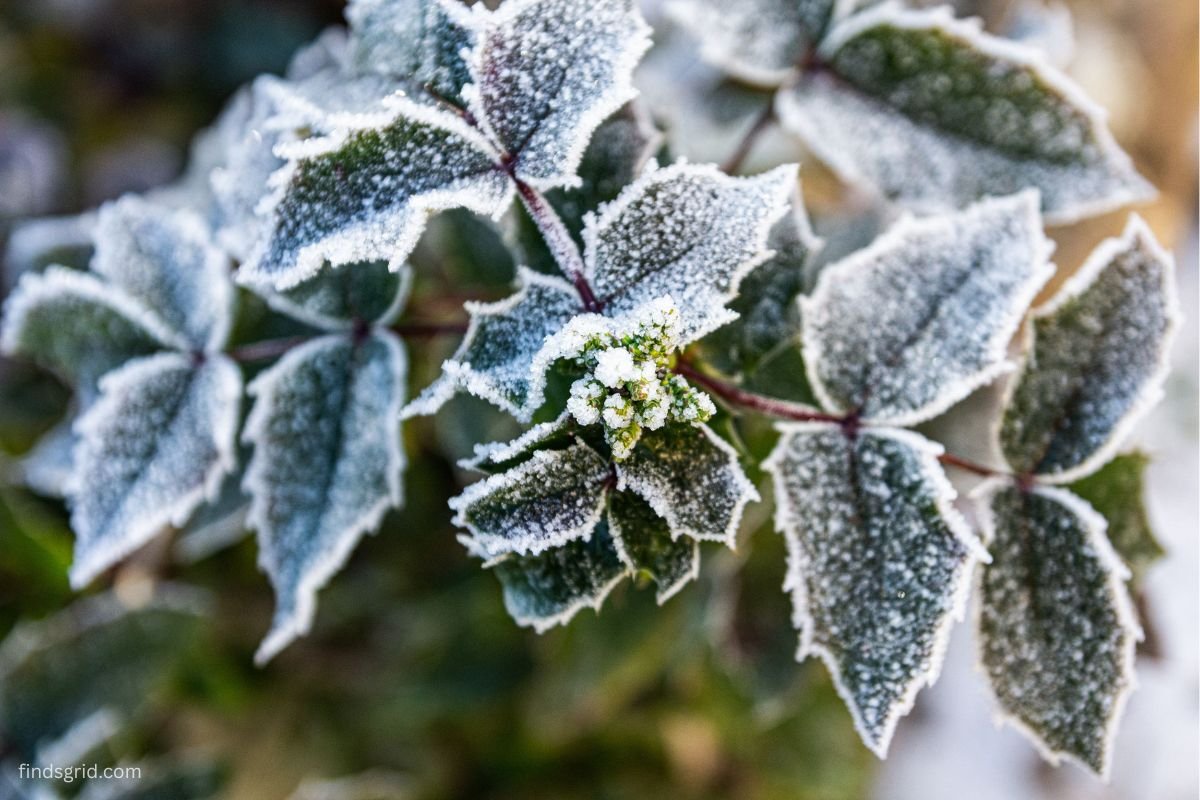
Want to protect plants from first frost? Start with what’s happening inside the leaf. When temperatures sink toward freezing, ice crystals form in the gaps between plant cells. Those crystals pull water out of the cells next to them, and the cells collapse. That’s the blackened, wilted look you see the next morning. Moving sensitive potted plants indoors and shielding your garden beds means getting a handle on microclimates, dormancy triggers, and soil insulation. It isn’t complicated. A few smart adjustments help protect delicate roots and foliage through light frosts, and give hardy plants a better chance through harder freezes. Let’s walk through ten of them.
Quick Answer: How to Protect Plants From First Frost
Winter plant protection comes down to three outdoor moves: bring tender tropicals inside before night temperatures drop below 50°F, pile organic mulch over the root zone, and cover beds with breathable frost cloth. Indoors, it’s a different game. Water less while plants rest, since soggy soil leads to root rot, and keep pots away from cold windowpanes and heating vents. Grouping pots together builds a humid microclimate that stops leaves from crisping.
Not sure when your first frost is due? Check the average dates for your ZIP code at the Old Farmer’s Almanac frost date tool, and find your growing zone on the USDA Plant Hardiness Zone Map.
1. The Biology of Frost: How Ice Crystals Disrupt Cell Wall Integrity
Every winter plant protection hack for cold weather rests on one mechanism. Get this part and the rest makes sense.
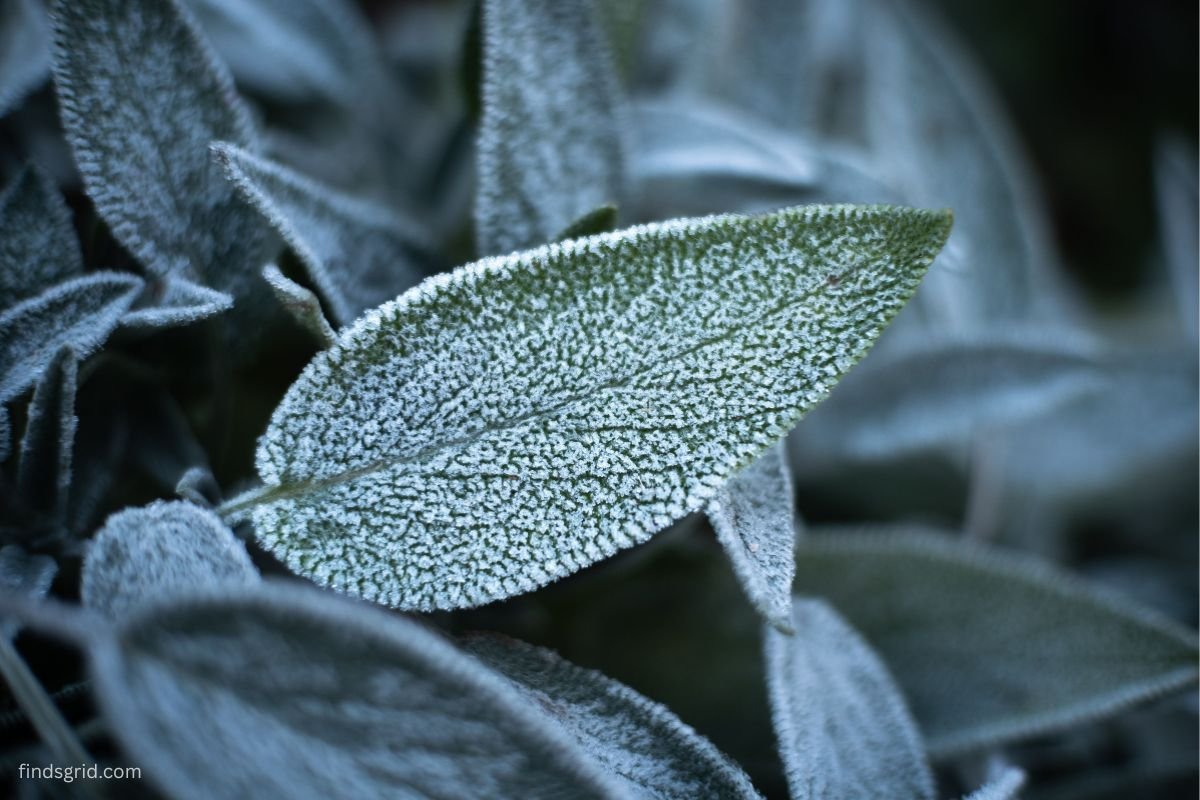
Sap isn’t plain water. It carries sugars and salts that lower its freezing point a little. The fluid between cells is more dilute, though, so it freezes first. Once ice forms there, it draws water out of the living cells. They shrink. Their membranes take stress. And when the tissue thaws, they often can’t pull the water back in. That’s the mushy, collapsed look of frost injury.
Tender tropicals like pothos, monstera, and begonias have almost no frost tolerance. Some get hurt by chilling well above 32°F. Hardy perennials and woody plants handle winter by loading their cells with sugars and protective proteins, but only if days shorten and nights cool gradually. So protection has two jobs. Keep tissue above its damage threshold, and avoid sudden temperature swings that cut the plant’s own preparation short.
2. Hardening Off in Reverse: Acclimating Outdoor Tropicals to Indoor Conditions
Most gardeners know to toughen up seedlings before sending them outside. Fall flips that rule. A tropical that spent summer in bright, humid air grows leaves built for exactly that. Carry it into a dim, dry living room and it’ll often drop a pile of them. Truth is, the plant can’t afford to keep leaves that no longer match its conditions.
So take it slow:
- Start about two weeks early. Move pots to a shadier, more sheltered spot outdoors.
- Watch the thermometer. Many tropicals begin suffering chilling stress when nights dip below 50°F, so bring them in before that.
- Check for pests. Look at stems and leaf undersides, rinse the foliage, and scan the soil surface.
- Don’t panic over leaf drop. A few weeks of shedding is normal while the plant swaps in leaves suited to indoor light.
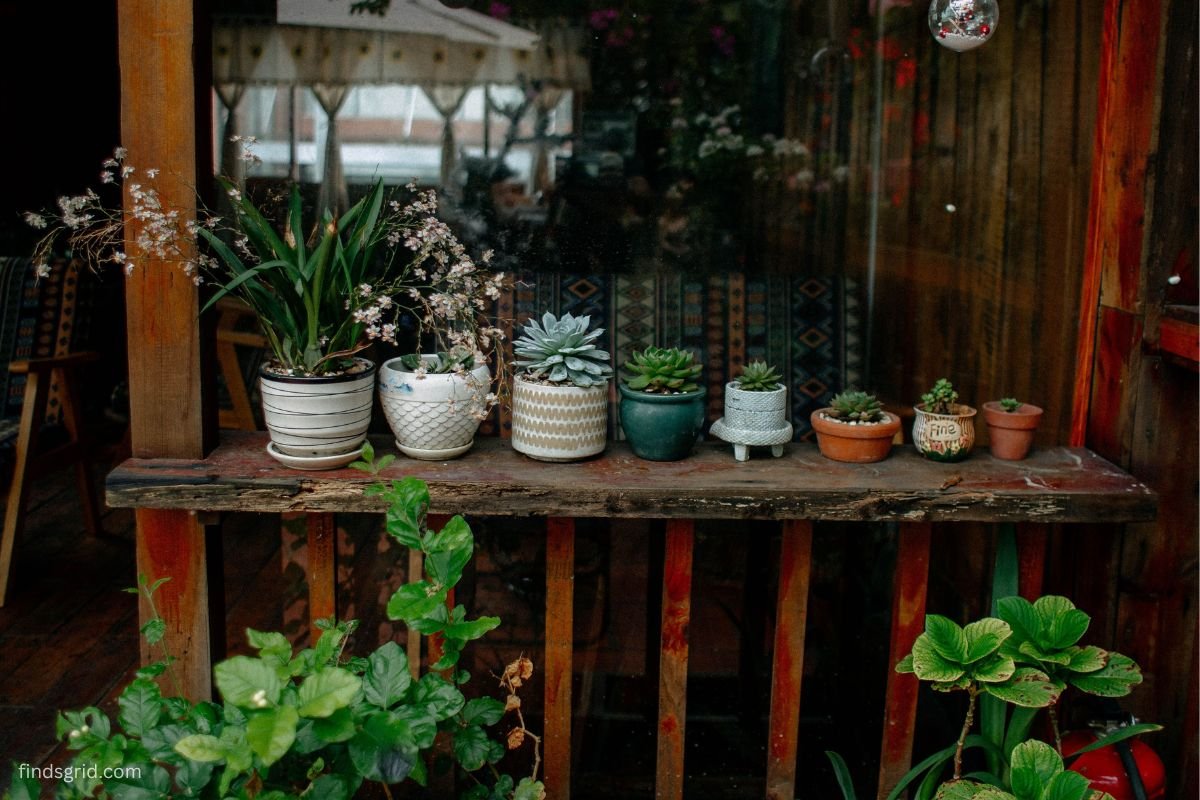
3. Root Zone Insulation: Applying Organic Mulch to Shield Perennials
Roots are less cold-hardy than the stems and buds above them. Soil is their only buffer. Shredded bark, chopped leaves, or straw slows heat loss from the ground and smooths out temperature swings.
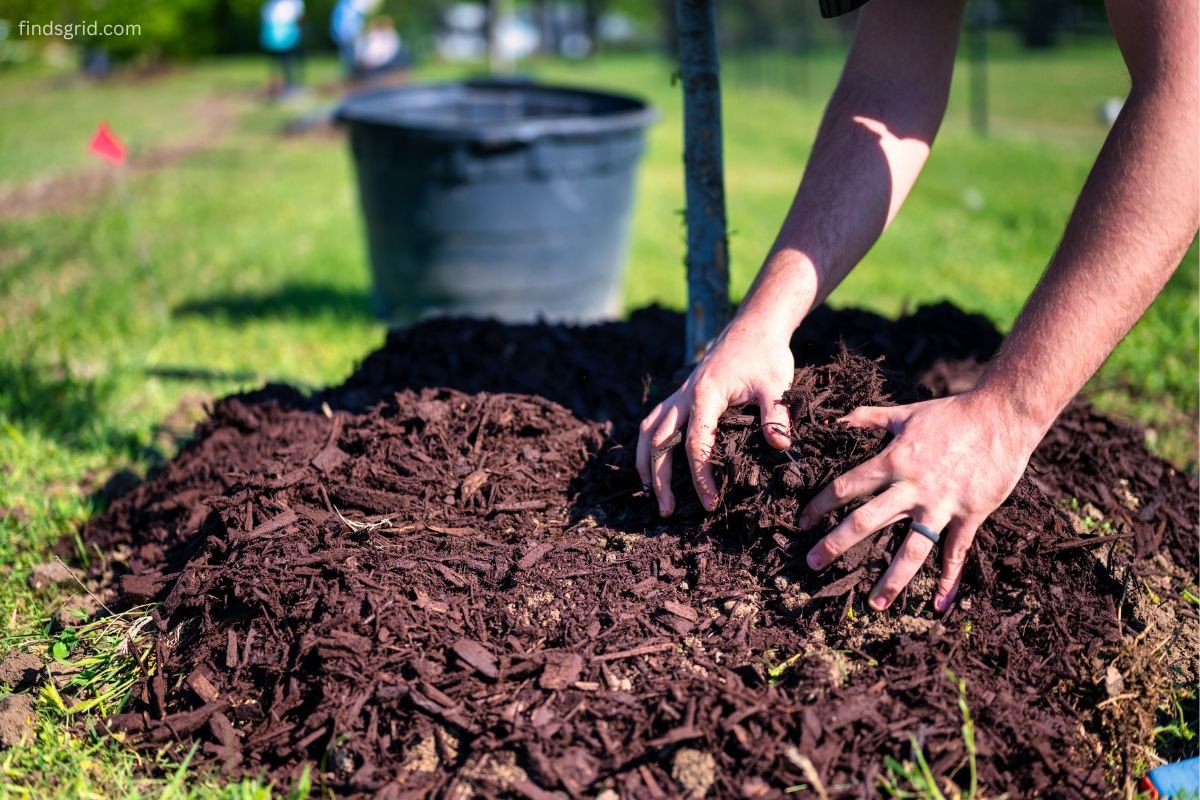
The goal here is steadiness, not warmth. Repeated freezing and thawing shoves shallow-rooted perennials up out of the soil and tears fine roots. A 3 to 4 inch layer, put down after the ground has cooled (ideally after the first light frost), keeps conditions more even. Mulch too early and the soil stays warm, which can delay dormancy. One more thing: leave a couple of inches of space around stems and crowns. Trapped moisture there invites rot.
4. Breathable Barriers vs. Plastic: How to Protect Outdoor Plants From First Frost Without Contact Burns
A cover holds in some of the heat the soil soaked up during the day. But the material matters more than most people think.
Frost cloth, burlap, and cotton sheets let moisture vapor escape. Plastic doesn’t, and it conducts cold really well. Wherever it touches a leaf, the leaf’s surface chills toward the plastic’s temperature. The result is localized freeze damage, often called contact burn.
A few habits make covers work:
- Drape the cover all the way to the ground and anchor the edges so soil heat stays trapped underneath.
- Prop it up with stakes, hoops, or a frame so the fabric doesn’t rest on foliage.
- Cover plants late in the afternoon while the ground’s still warm. Uncover them the next morning once it warms up.
- Stuck with plastic? Hold it well above the plants and vent it during the day, because heat builds fast in sunlight.
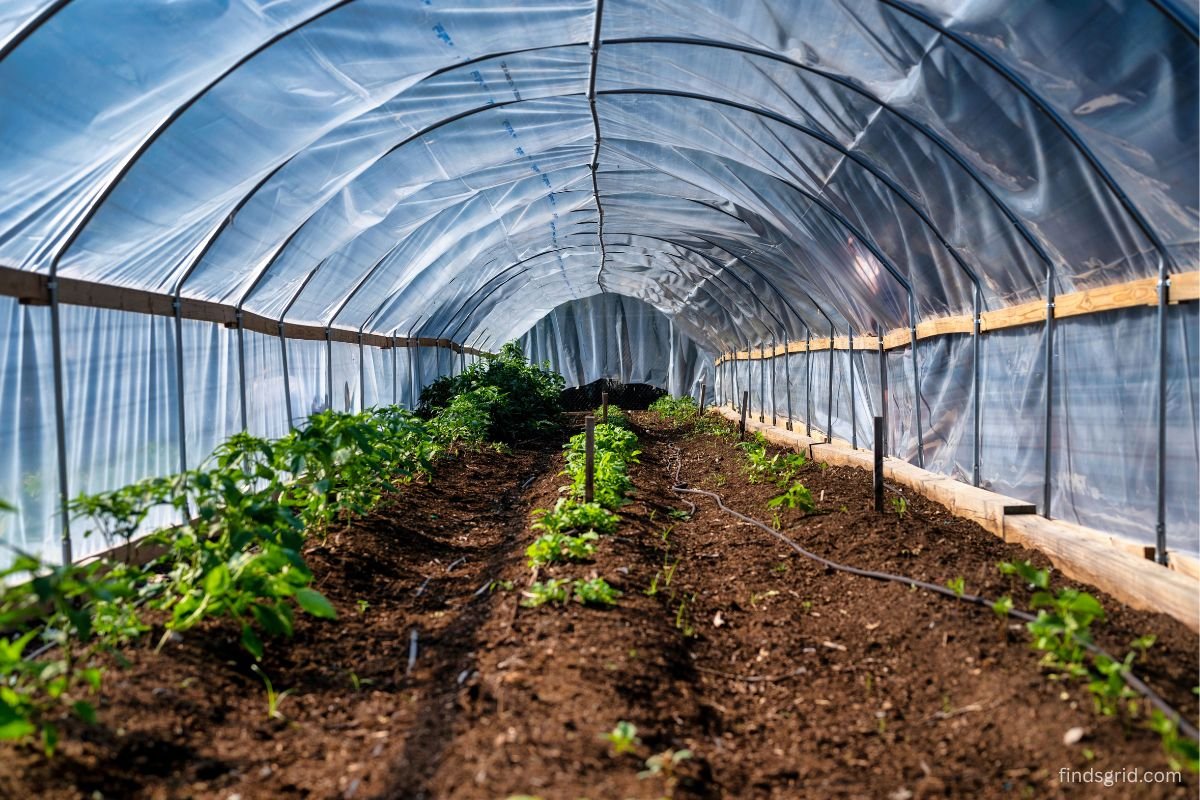
5. The Hydration Paradox: Why Moist Soil Traps More Ground Heat Than Dry Soil
Sounds backward, doesn’t it? But damp soil protects plants better than dry soil. Water has a high specific heat capacity, so it absorbs plenty of energy by day and lets it go slowly overnight. Damp soil also conducts heat better, which means warmth stored deeper down travels up toward the surface. Dry, fluffy soil is full of air pockets. Air insulates, so the heat stays trapped below.
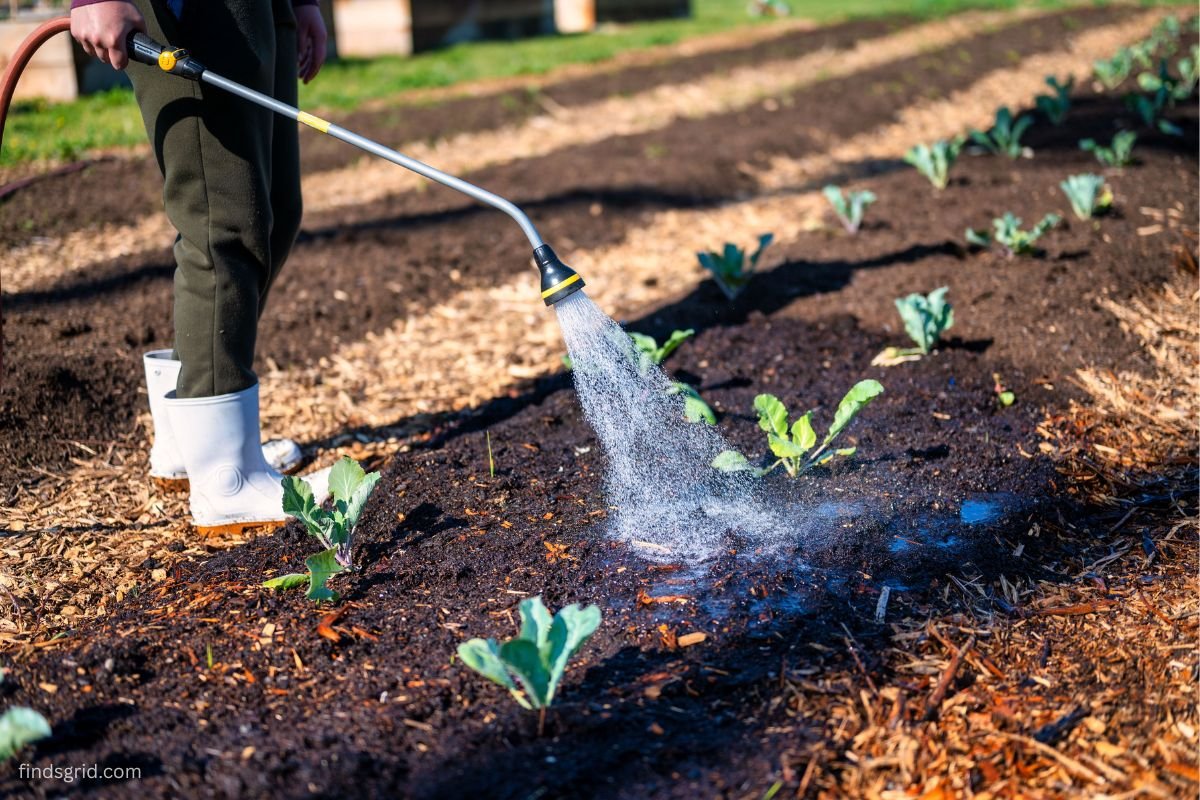
That’s why watering a day or two before a predicted hard freeze can help. Keep it moist, not waterlogged, because cold saturated soil causes its own root problems. Here’s a wrinkle worth knowing: bare, firm soil releases stored heat more readily than soil under thick mulch. For frost-prone beds on a specific cold night, clearing loose debris off the surface ahead of time helps.
6. Indoor Microclimates: Grouping Houseplants to Boost Relative Humidity
Heated indoor air can fall to 20 percent relative humidity or lower in winter. Most tropical houseplants evolved for far more moisture than that. Dry air speeds up transpiration, which is water vapor escaping through leaf pores. When roots can’t replace it fast enough, leaf tips and edges turn brown and crispy.
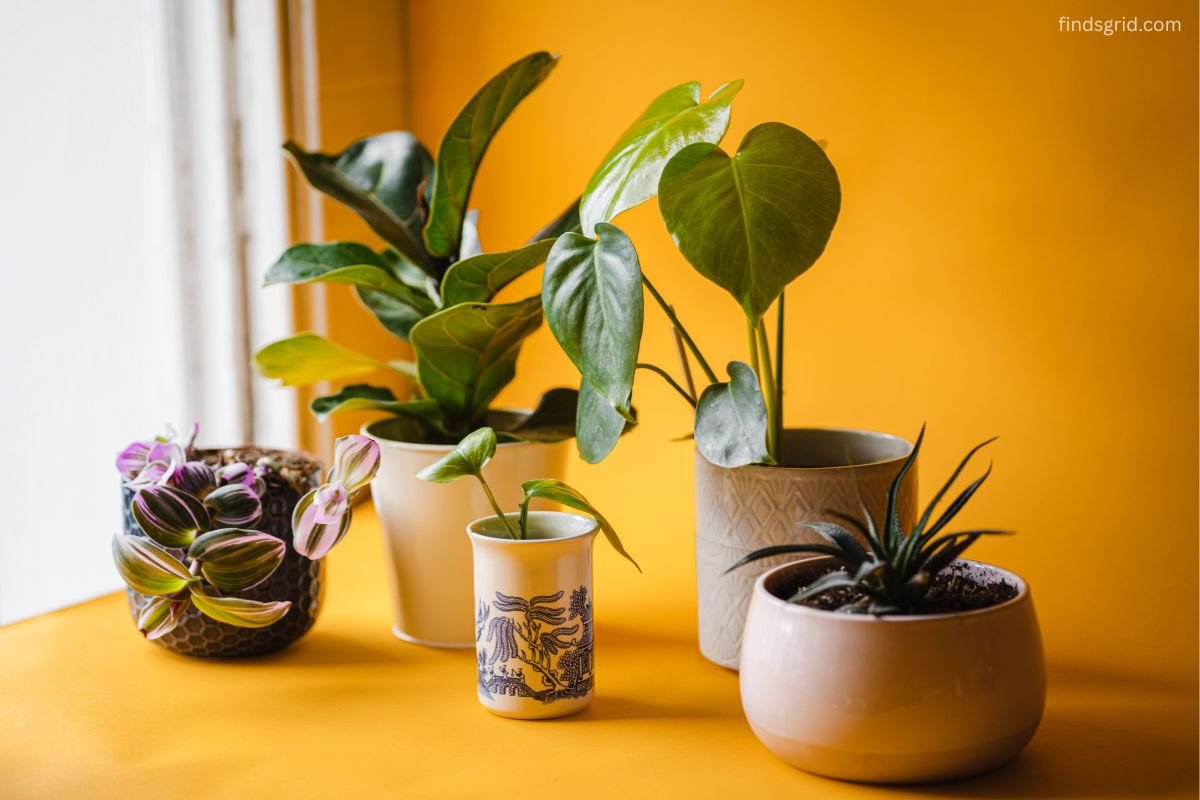
Think about it this way: plants constantly release moisture. Put pots close together and the air around them gets noticeably more humid than the rest of the room. That’s your microclimate, and it’s a core part of any winter indoor houseplant care guide. Just don’t cram everything tight. Stagnant, crowded foliage invites fungal problems, so leave room for airflow. A pebble tray with water below the top of the pebbles adds a modest boost too, as long as the pots sit on the pebbles and not in the water.
7. Heat Vent & Window Separation: Avoiding Draft Shock and Thermal Scorching
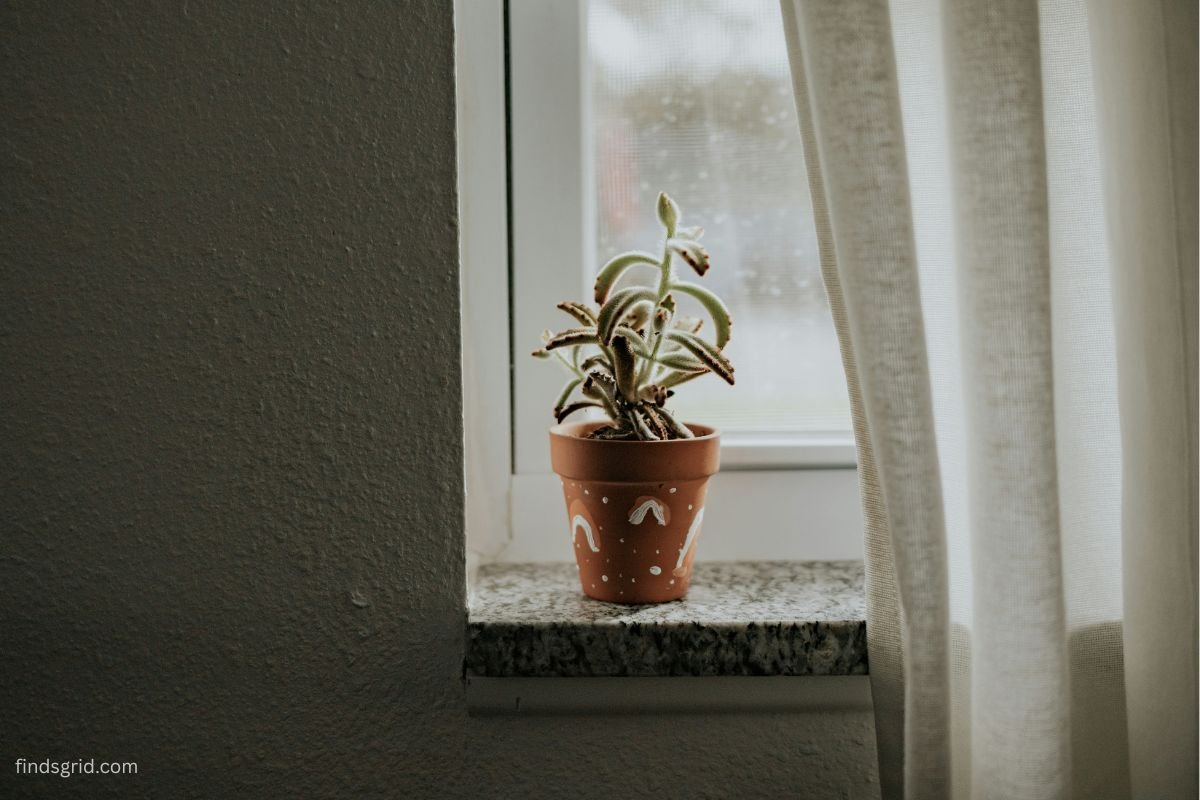
A winter windowsill has two opposite hazards. Glass turns frigid at night, and leaves pressed against it can suffer chilling injury. Meanwhile, a nearby heating vent blasts hot, dry air that dehydrates foliage within days.
Ficus is famous for overreacting to drafts. Calatheas, fiddle-leaf figs, and orchids are pretty touchy as well. Some placement habits help:
- Keep foliage a few inches off cold glass, especially on single-pane windows.
- Move pots away from forced-air vents, radiators, fireplaces, and exterior doors that open often.
- Stop rearranging. A steady spot beats constant shuffling.
- On the coldest nights, pull plants back from the window or slip a sheet of cardboard between them and the glass.
Running the heat all night? Our guide to cutting winter heating bills has ideas for keeping rooms warm without overspending. Just keep plants away from vents.
8. Managing Winter Dormancy: Adjusting Watering and Pausing Nitrogen Fertilization
Shorter days and weaker light slow most houseplants down. Slower growth means less water use. Keep up the summer watering routine and roots end up sitting in wet soil that dries slowly. They run short of oxygen. Then rot moves in.
The fix? Check the soil, not the calendar. For most foliage plants, let the top inch or two dry out before watering. Succulents and cacti want to dry out even more. Use room-temperature water, since very cold water can chill roots.
Fertilizer needs shift too. Nitrogen pushes soft, leafy growth, and in dim winter light that growth turns leggy and weak. Cutting back or skipping feeding, especially for plants that are clearly resting, avoids salt buildup in the soil and growth the plant can’t sustain. Outdoors, the same logic applies earlier. Stop nitrogen in late summer so perennials can harden their tissue, because lush new growth is the first thing frost destroys.
9. Sunlight Optimization: Compensating for Shorter Daylight Hours on South-Facing Sills
Winter light shrinks in two ways. Days get shorter, and the sun sits lower, so the light that does arrive is weaker. Photosynthesis slows. Plants that can’t make enough energy shed lower leaves and stretch toward the window.
You can compensate:
- Give light-hungry plants the south-facing sills. They get the most direct winter light in the Northern Hemisphere.
- Wipe down the glass and dust the leaves, because grime blocks a meaningful share of available light.
- Rotate pots regularly so every side gets exposure.
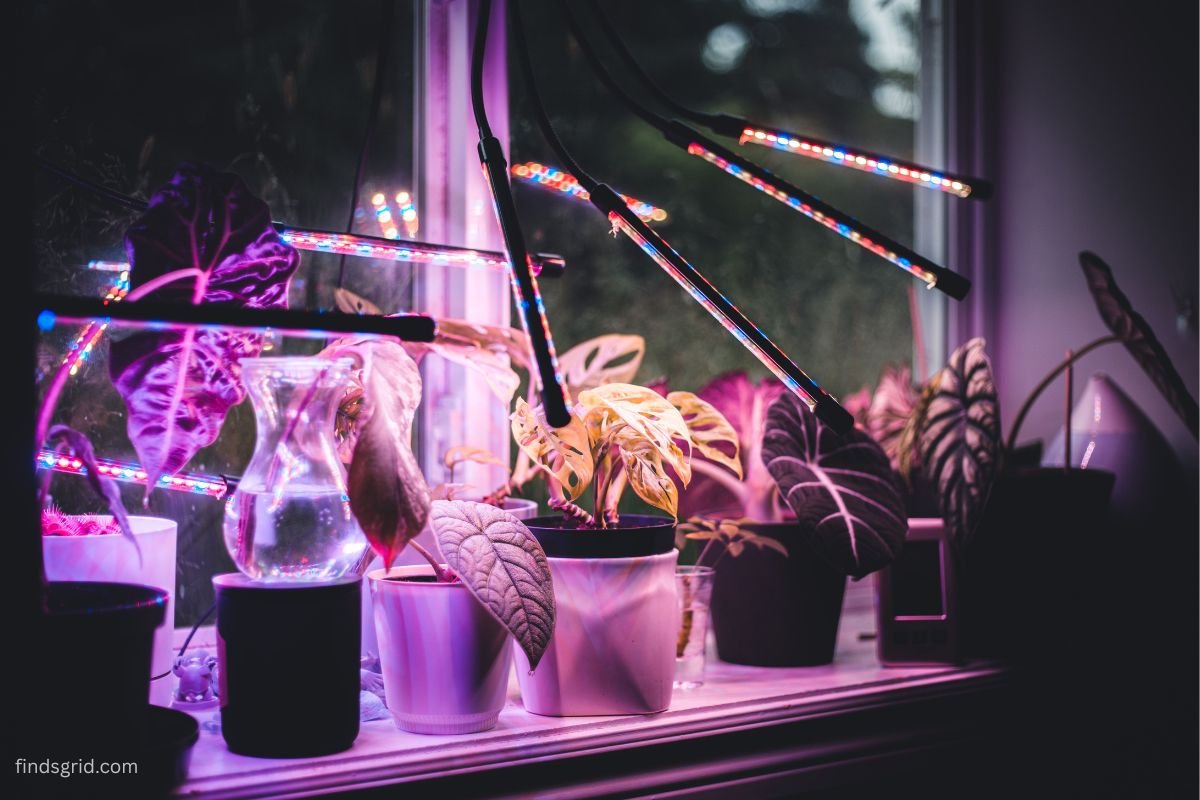
- Add a full-spectrum grow light for a few hours a day if a plant’s struggling. Set it at the distance the manufacturer recommends.
- Move low-light species like snake plants and ZZ plants to dimmer rooms. Save the bright spots for plants that need them.
10. Preventing Cold Shock in Potted Plants: Wrapping Containers to Shield Vulnerable Root Balls
Potted plants have it rough. Cold air surrounds the container on every side, so the root ball can freeze solid even when nearby ground stays above freezing. And roots of many plants die at temperatures their stems can easily survive.
Here’s how to lower the risk:
- Cluster outdoor pots against a south-facing wall. You get reflected heat and wind protection.
- Wrap containers in burlap, bubble wrap, or old blankets, then mulch the soil surface.
- Lift pots onto feet or bricks so water drains and the base doesn’t freeze to cold pavement.
- Watch your containers. Thin terra-cotta can crack when wet soil expands as it freezes.
- During a deep cold snap, move pots into an unheated garage or shed, where temperatures stay steadier.
If you’re also protecting your home from the cold, see our guide to preventing frozen pipes in extreme cold. Extension programs like Penn State Extension and the University of Minnesota Extension also publish region-specific frost advice worth bookmarking.
Winter Plant Protection Comparison Table
| Winter Environmental Threat | Plant Species Risk | Science-Backed Protection Method | Expected Botanical Survival Impact |
|---|---|---|---|
| Ice crystal formation between cells | Tender annuals, basil, tomatoes, young tropicals | Move indoors or cover with breathable frost cloth before the freeze | High: prevents cell dehydration and tissue collapse |
| Freeze-thaw soil heaving | Shallow-rooted perennials, newly planted shrubs | 3 to 4 inches of organic mulch after soil cools | High: stabilizes soil temperature and protects roots |
| Contact burn from plastic covers | Foliage of any frost-tender plant | Use fabric covers raised off leaves on stakes | Moderate to high: avoids localized freeze damage |
| Frozen container root balls | Potted perennials, shrubs, herbs | Wrap pots, cluster against walls, or relocate to a sheltered space | High: root survival is the key to spring regrowth |
| Low indoor humidity | Calathea, ferns, fiddle-leaf fig, orchids | Group pots, add pebble trays, avoid vents | Moderate: reduces leaf-tip browning and crisping |
| Cold drafts and hot vents | Ficus, citrus, tropical foliage plants | Keep plants away from glass, doors, and heat sources | Moderate to high: prevents sudden leaf drop |
| Overwatering during dormancy | Succulents, snake plants, most foliage houseplants | Water only when the top inches of soil are dry | High: prevents root rot, a leading cause of winter loss |
| Reduced winter light | Sun-loving houseplants, herbs, citrus | South-facing sill, clean glass, supplemental grow light | Moderate: sustains photosynthesis and compact growth |
Frequently Asked Questions
Before nighttime lows drop below 50°F. Many tropicals suffer chilling injury in the 40s, nowhere near freezing, and the damage can show up days later as spotted or dropping leaves. Easing plants in gradually, as covered in Hack 2, softens the shock.
Generally, yes. Moist soil stores more heat than dry soil and releases it overnight, which can keep the root zone and nearby plant tissue a few degrees warmer. Water a day or two ahead, in the morning, so the soil’s moist but not soggy and the foliage has time to dry. Skip heavy evening watering right before a freeze. Wet foliage can freeze more readily.
Move it somewhere with steady temperatures, away from the draft. Then resist the urge to overcorrect with extra water or fertilizer. Damaged leaves won’t recover, but partly green ones can keep photosynthesizing, so leave them until new growth appears. After that, trim the dead portions with clean scissors. Check soil moisture before every watering and keep humidity moderate. A plant with healthy stems and roots usually rebounds within a few weeks once conditions settle.
Conclusion
Winter damage isn’t random. It follows predictable physics and biology: ice forming between cells, roots losing insulation, dry air pulling moisture from leaves, and shrinking daylight slowing growth. That’s good news, because anything predictable is something you can prepare for. If you want to protect plants from first frost, time the move indoors, mulch the root zones, pick breathable covers, manage soil moisture, group pots for humidity, match watering to dormancy, and make the most of available light. Do it all before the first frost. That gives your indoor collection a much better chance of staying healthy through the heating season, and your outdoor garden a better chance of keeping the strong roots and intact buds it needs for a vigorous spring.