This post contains affiliate links. We may earn a commission if you purchase through them, at no extra cost to you.
If you want to keep hands warm in freezing weather, the fight usually starts small, seven in the morning, first tee, and your fingers just won’t wrap around the club right. Or maybe you’re three hours into a sit in the deer stand, watching your hands go pink, then purple, then that scary numb white. We’ve been in both spots more times than we care to count. And no, you don’t just “get used to it.” Cold hands make you clumsy. They cut good mornings short. They turn something as basic as zipping a jacket into a whole ordeal. So here’s what’s actually going on with your fingers when the temperature drops, what helps, and where a good hand warmer comes in.
Quick Answer: Warm hands start with a warm core. The moment your body senses cold, it pulls blood away from your fingers to protect the organs that matter more to survival. Cover your wrists, keep your hands dry, and if you’re out longer than a short walk, bring an actual heat source.
Why Your Fingers Freeze First in Cold Weather (The Problem)
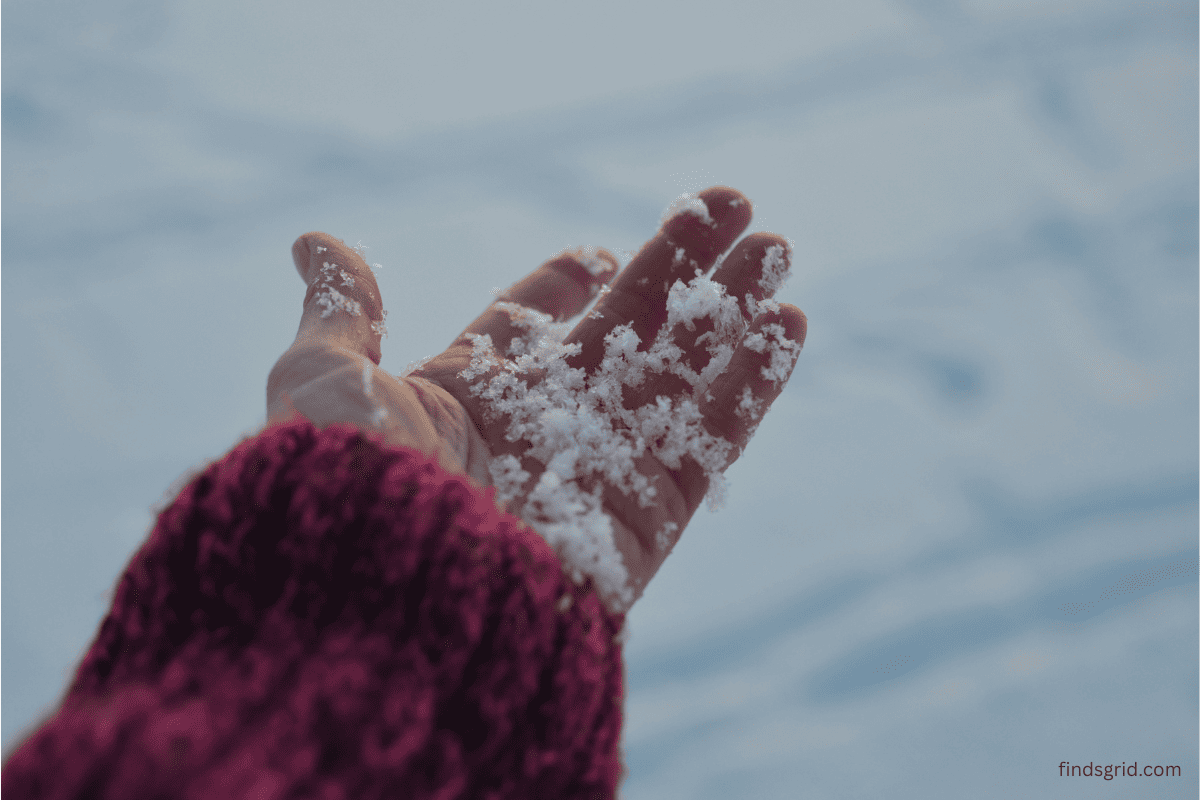
Your body isn’t being cruel when it sacrifices your fingers first. It’s just doing what it’s built to do. The process is called vasoconstriction, blood vessels in your hands and feet narrow so more blood can stay near your heart and lungs, the stuff you actually die without. Fingers sit at the far edge of your circulation, so they’re the first to get rationed.
Wind chill makes it worse than the number on your phone suggests. A 25°F day with wind at 15 mph can feel close to zero on bare skin, and there’s barely any fat on your fingers to buffer that. Ask any golfer who’s teed off at sunrise or any hunter who’s sat still for an hour, hands go first, always.
Then there’s sweat, which nobody thinks about until it’s a problem. Thick gloves feel great for the first while, but the second your hands sweat, even a little, that moisture just sits there pulling heat off your skin. A damp glove in freezing air is arguably worse than bare hands. And once your fingers are cold enough, forget dexterity, buttons, zippers, a camera dial, a proper grip on a club, all of it gets harder right when you need it most.
Practical Ways to Keep Hands Warm in Freezing Temperatures (The Solution)
None of this requires expensive gear. Mostly it’s habits.
- Layer a thin liner glove under a windproof shell. The liner pulls sweat off your skin, the shell keeps wind out and traps whatever heat you’re generating.
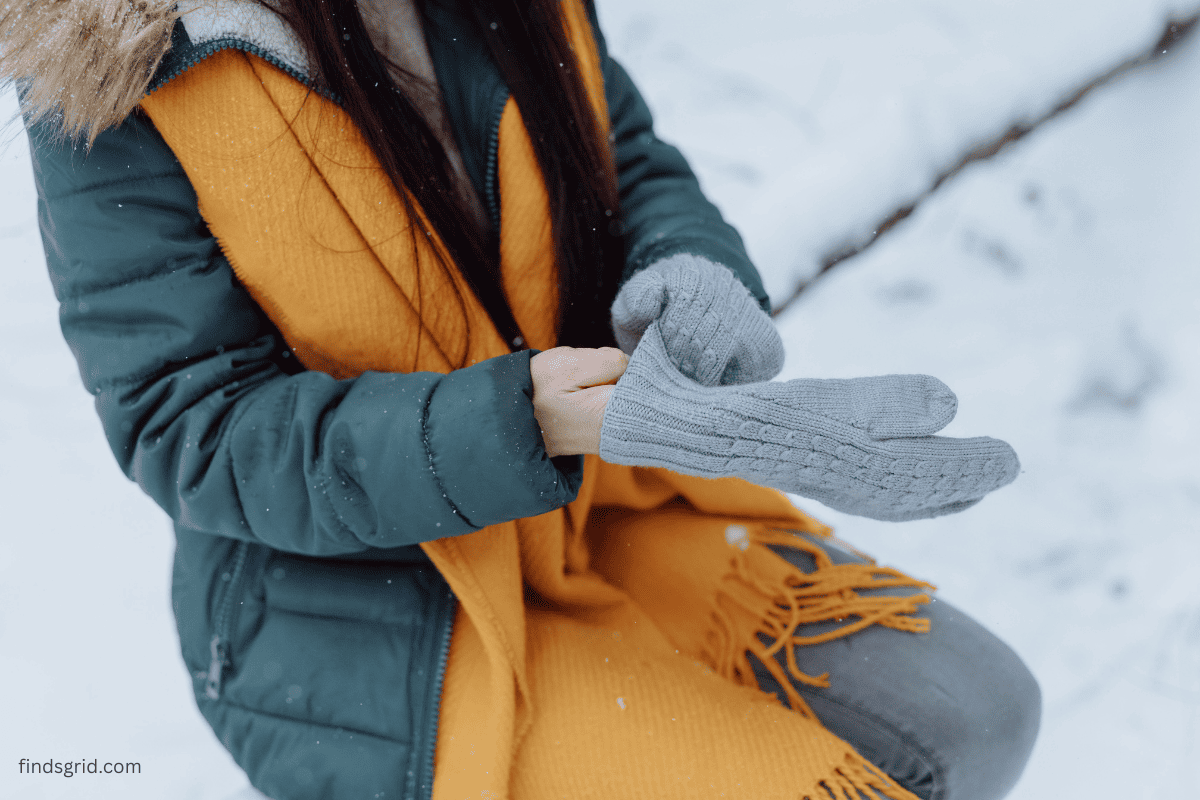
- Mittens beat gloves for warmth, period. Fingers huddled together share heat. Fingers stuck alone in separate sleeves don’t.
- Don’t skip the wrists. That little gap between glove and sleeve sits right over blood vessels heading to your hands, and cold air there chills blood before it even gets to your fingers.
- Warm your pockets before you leave the house. A heat pack or electric warmer sitting in there for ten minutes gives you a warm spot the moment you need a break.
- Drink water, eat something. Low blood sugar and dehydration both make your body more aggressive about pulling blood away from your hands.
- Flex your fingers now and then. A closed fist, then release, keeps blood actively moving instead of just sitting there going cold.
Disposable Heat Packs vs. Rechargeable Electric Warmers
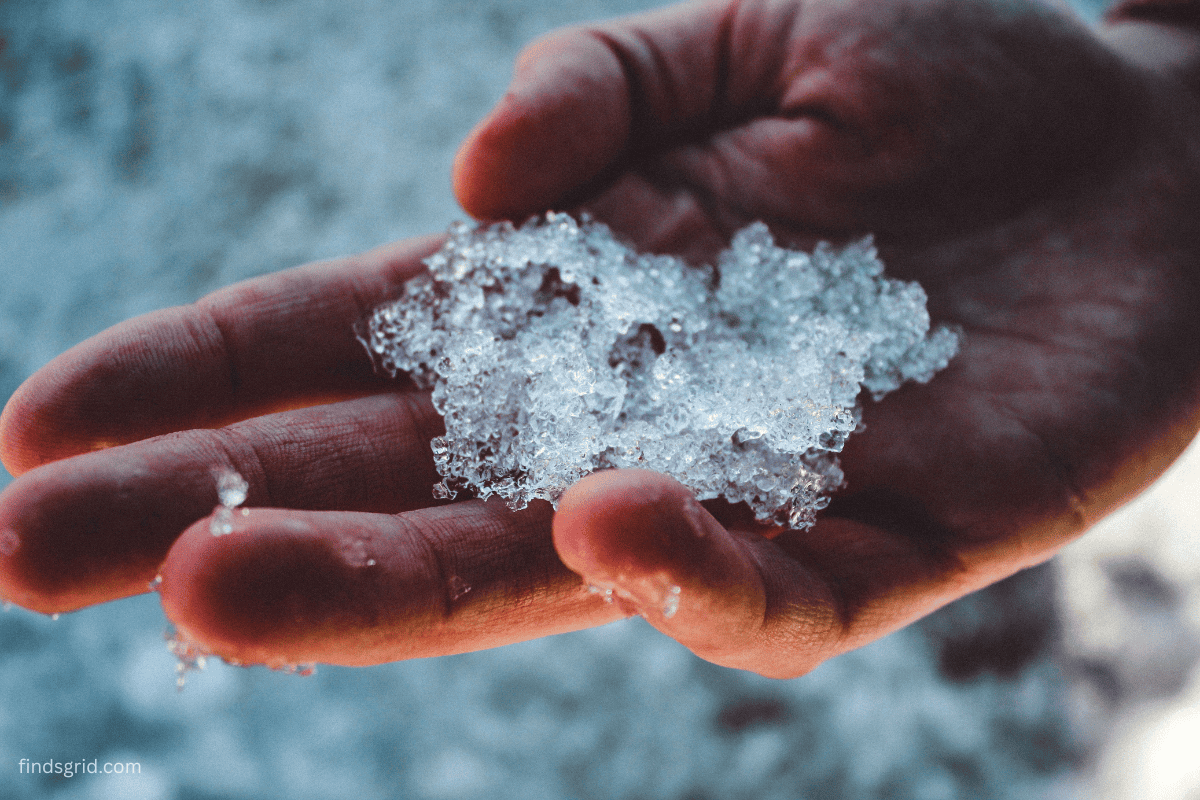
Chemical packets have their place. Crack one, shake it, wait a bit, and it warms up through a slow reaction. They work. But you use one and it’s trash, every hunt, every cold commute, every round of winter golf adds another packet to a pile that never really goes away. You also don’t get to choose the heat level. Whatever the chemistry gives you is what you’re stuck with, and near the end it fades unevenly, hot in one spot and cold everywhere else.
Rechargeable electric warmers just work differently. Turn one on and heat is there immediately, no waiting on a reaction to build. Decent ones let you actually pick a heat level, some going up to around 130°F, so you’re not choosing between barely-warm and too-hot-to-hold. Battery runs anywhere from roughly 8.5 hours flat out to close to 20 hours on a lower setting, enough for a full weekend outdoors without hunting for an outlet. No shaking, no guessing how much heat’s left, no trash at the end of it.
Practical Gear Recommendation: Smart Dual-Heat Solutions for Outdoor Winters
If you’re tired of restocking disposable packets every winter, look at the AI Hand Warmers 2 Pack from UNIHAND. We’ve spent time with a pair, and a few things about the design fix problems we’ve had with older electric warmers.
The two units snap together magnetically into one bigger palm heater, or come apart so each hand gets its own genuinely useful when you’re bouncing between gripping a club, holding a leash, and fiddling with a camera. Each unit has its own AI temperature sensor chip reading the heat between the warmer and your skin, adjusting across three levels up to 130°F, so you’re not stuck manually babysitting a setting to avoid burning your palm.
Battery holds anywhere from 8.5 to 20 hours depending on the heat level, and three LED lights tell you battery and heat status at a glance, no app required. The body’s aluminum with a curved grip that actually sits right in a closed fist sounds like a small thing until you’re holding one for three hours in a duck blind. Charging’s Type-C, same cable as most of your other gear, and the units are CE and FCC certified.
For an in-depth breakdown of heating modes, real-world battery endurance, and winter performance, check out our full AI Hand Warmers 2 Pack Review.

Mistakes That Make Your Hands Get Cold Even Faster
- Gloves that fit too tight. Feels secure, sure, but tight gloves choke off the circulation your hands need most. Tingling fingertips inside your glove? Size up.
- Waiting for full numbness before doing anything about it. Once your fingers go completely numb, getting feeling back takes a while, and blasting them with high heat too fast can actually hurt your skin. Warm up at the first sign of stiffness.
- Sweaty gloves worn for hours anyway. Damp beats cold air for stealing heat, every time. Swap gloves, or at least the liner, the second things feel clammy.
Frequently Asked Questions
Thick doesn’t automatically mean warm. Sweat trapped inside, or a fit that’s too tight and cutting off circulation, will keep your fingers cold no matter how bulky the glove looks. Wind can also cut right through certain fabrics that look thick enough to stop it.
Depends what setting you run. Most good rechargeable warmers land somewhere between 8.5 hours on max heat and close to 20 hours on the lowest setting usually enough to get through a full day outside without needing to recharge halfway through.
Yes, as long as it’s properly certified. Check for CE and FCC marks, that means it’s met recognized safety standards for electrical and heat output. Skip anything with zero temperature regulation, since that’s where overheating risk against skin or fabric goes up.
Final Thoughts
Cold hands feel like a small problem right up until they end your round early or cut a hunt short. Layer smart, cover your wrists, and catch the cold before your fingers go fully numb that handles most of it. But if you’re outside for hours at a time all winter, ditching disposable packets for a rechargeable electric warmer is worth doing. Check out our full AI Hand Warmers 2 Pack Review for the full breakdown on battery life, heat, and how it actually holds up once winter hits for real.