This post contains affiliate links. We may earn a commission if you purchase through them, at no extra cost to you.
Knowing how to open a jar with weak hands can turn a stressful dinner into a calm one. Picture this: the water is boiling, the pasta sauce jar simply will not budge, and your fingers are throbbing from trying. You bang the lid on the counter. Maybe you run it under the tap, or hand it to whoever’s nearby. And if nobody’s around, you just stand there feeling a little beaten by a jar of marinara. When arthritis or a weak grip is part of your daily life, this isn’t a small thing. It chips away at the confidence to cook on your own. The frustrating part is that your hands usually aren’t the problem. Most kitchen tools are built for a strong pinch and an easy wrist twist, and that’s exactly what joint pain takes first. So let’s go through what really helps, for jars and for cans, starting with a few free tricks.

Quick Answer
Pair a hands-free jar opener, either an under-cabinet mount or a battery-powered automatic one, with a smooth-touch electric or well-padded can opener. Both types do the gripping and turning so your fingers and wrists don’t have to. Add a couple of simple habits, like breaking the vacuum seal first, and most stuck lids stop being a fight.
Why Vacuum Seals and Tight Cans Hurt Weak Hands
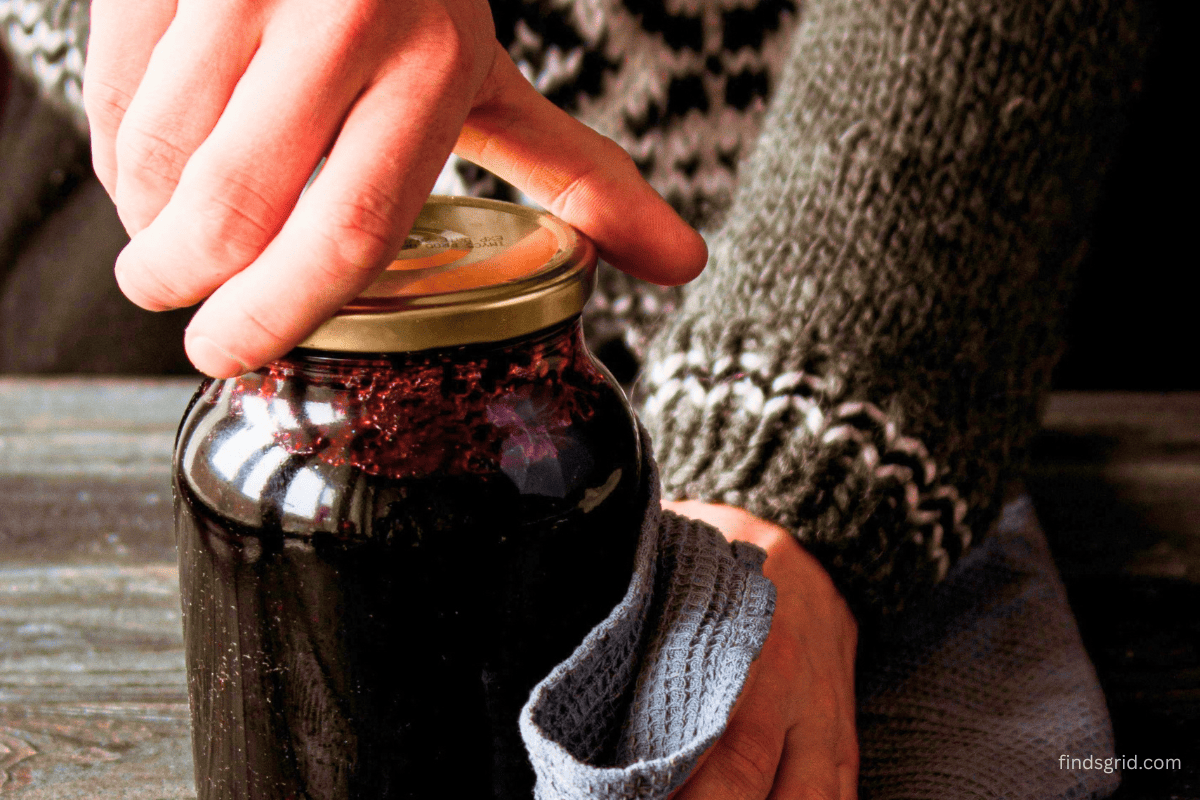
Ever notice that little pop when a jar finally gives? That’s air rushing back in. Most store-bought jars are filled while hot and sealed right away. As the contents cool, the air inside shrinks and the pressure drops, so the outside air ends up pushing the lid down hard, a bit like a suction cup.
Now add the shape of the lid. It’s small, smooth, and slippery, so you have to squeeze it and rotate your wrist at the same moment. Squeeze plus twist is rough on the base of the thumb and the finger knuckles, which are the spots arthritis loves to go after.
Manual can openers aren’t much kinder. A lot of them want you to clamp two handles together while cranking a tiny knob with your fingertips. All that force lands on a very small area. Standard kitchen tools basically assume a strong grip, so when they fail you, it’s a design flaw, not a personal one.
Solving the Jar Problem: How to Open a Jar with Weak Hands (Countertop vs. Under-Cabinet)
Two hands-free styles are worth knowing about, and which one is the best jar opener for seniors with arthritis depends mostly on your kitchen and how your hands feel day to day.
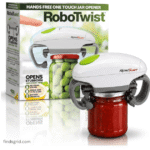
A countertop automatic opener sits on top of the jar. Press a button and it grips the lid and turns it for you. Most run on a couple of AA batteries, so there’s no cord to trip over. If your grip is very weak, or you’re recovering from surgery or an injury, this is the gentlest way to go, since you barely touch the jar at all. The catch is where it lives. A small kitchen with a crowded counter may not have room, though it can sit in a drawer between uses. If you prefer a hands-free device that sits right on the counter and twists lids with the push of a button, check out our full Robotwist Automatic Jar Opener Review.
Under-cabinet openers work on a completely different idea. The gadget mounts to the underside of a cabinet, you slide the lid into its V-shaped grip, and then you turn the jar, not the lid. Your bigger arm muscles and a bit of body weight do the work, so your fingers hardly matter. That’s why an under cabinet jar opener needs no strength to use. It also takes zero counter space, which renters in small apartments tend to love, and plenty of models attach with adhesive so you don’t have to drill. For a hidden, zero-counter-space option that unseals lids instantly using simple leverage, read our EZ Off Jar Opener Review.
So which one? If your hands are very weak, or pain flares up unpredictably, the automatic type takes more off your plate. If you open jars all the time and hate clutter, the under-cabinet mount is tough to beat. Some households end up with both, and honestly, that’s not a crazy idea.

Tackling Tin Cans: Ergonomic Manual vs. Hands-Free Electric Openers
The automatic electric can opener vs. manual debate has no universal winner. It comes down to how your hands feel on a typical day.
A well-made manual opener can be perfectly fine if you still have some grip left. What you want is big, padded handles that spread pressure across your palm instead of pinching it, plus a large knob that’s easy to turn. Some also include a bottle opener on the end, which is handy. But you’re still squeezing and cranking, and on a bad-pain day that may be too much. If you like classic manual openers but need extra-large padded handles that don’t pinch your palms, see our KitchenAid Classic Can Opener Review.
Electric openers cut out nearly all the effort. Put the can in place, press once, and step back. Tall upright models are nice because the machine holds the can for you and has a wide, non-slip base so it doesn’t wobble. The downsides? They take counter space, and the cutting parts need a wipe now and then. For a completely automatic solution that handles tall cans effortlessly with one touch, check out our Cuisinart Electric Can Opener Review.
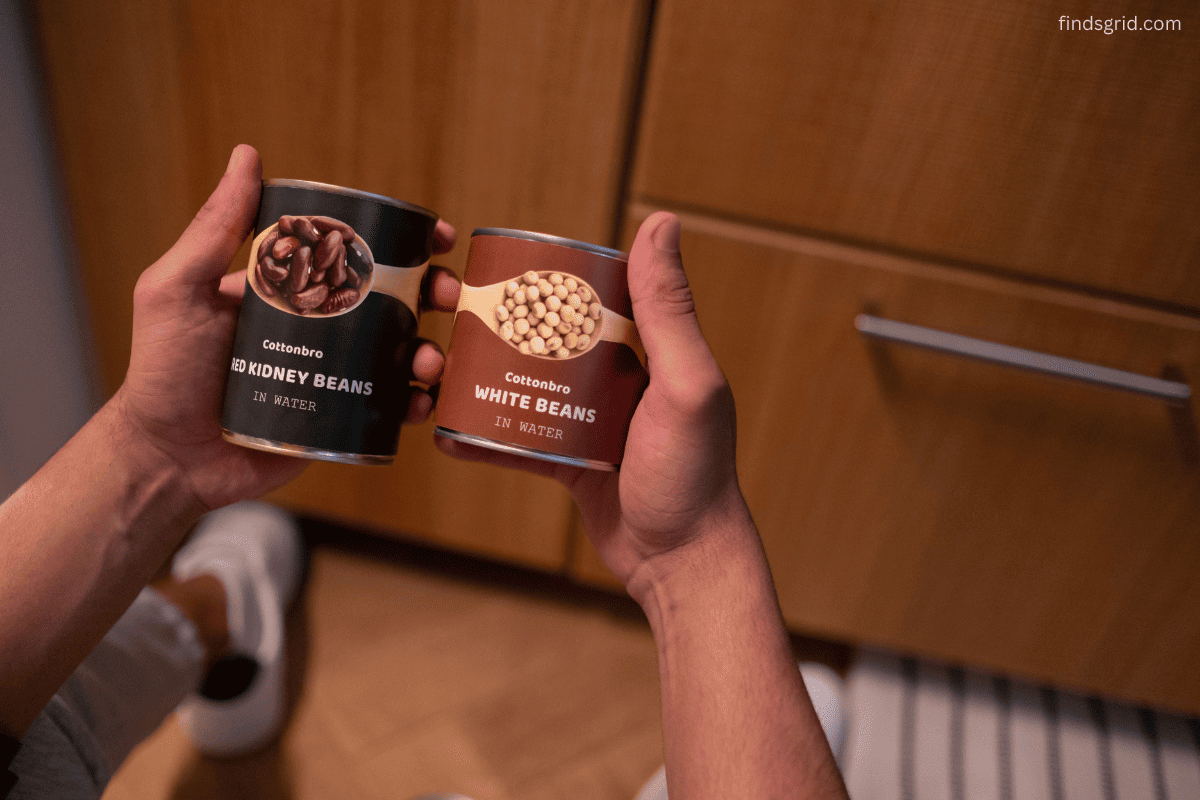
A word on sharp edges, since it matters more than people think. Whatever opener you use, the lid and the rim of the can can be sharp. Lift the lid slowly, use a fork or a magnet if it helps, and never run a finger around the edge to check. If your hands have reduced feeling, a small cut is easy to miss.
Simple Everyday DIY Kitchen Hacks for Better Grip
Before you buy anything, try a few of these. They cost almost nothing, and they’re the easiest way to open a jar with weak hands on days when you don’t want to dig out a gadget.
Pop the seal first. Slip a spoon tip or a bottle opener under the edge of the lid and lever up gently until you hear a tiny hiss or pop. That releases the pressure holding everything shut, and the lid usually turns far more easily afterward.
Warm water helps too. Hold the jar upside down under hot tap water for 30 to 60 seconds. The metal lid expands a hair, and any sticky dried-on food softens.
Then there’s the wooden spoon trick. Tap around the lid’s outer edge a few times. It sounds silly, but it can loosen things without risking the glass.
A rubber grip pad is worth keeping in a drawer. Even a square of shelf liner or a rubber glove gives your palm something to grab. And use your body. Brace the jar against your stomach or on a folded towel, and turn with your whole arm instead of your fingers. Small kitchen gadgets for weak grip like these make a bigger difference than most people expect.
Quick Comparison: Which Opener Fits Your Kitchen?
| Opener Type | Ideal For | Effort Level | Counter Space Needed | Winner for Arthritis |
|---|---|---|---|---|
| Countertop automatic jar opener | Very weak grip, recovery after surgery | Very low (push a button) | Moderate, or store in a drawer | ✅ Yes |
| Under-cabinet jar opener | Renters, small kitchens, daily use | Low (body weight does the work) | None | ✅ Yes |
| Ergonomic manual can opener | Mild to moderate grip limits | Medium (squeeze and crank) | None | Sometimes |
| Electric tall-can opener | Frequent can users, unsteady grip | Very low (one touch) | Moderate | ✅ Yes |
| Everyday hacks (pads, hot water) | Occasional stuck lids | Low to medium | None | Helpful, not a full fix |
Frequently Asked Questions
It can, though don’t expect miracles. Heat makes a metal lid expand slightly and softens dried food stuck in the threads. It works best when combined with popping the seal using a spoon. For plastic lids, stick with warm water instead of scalding.
For most people, yes. Your hands aren’t clamped around a cutting wheel, and you only need to steady the can and press a button. Put the opener on a flat, stable surface, choose one with a wide non-slip base, and be careful lifting the lid afterward because the edge can be sharp. If tremors are significant, an occupational therapist can suggest what suits you best.
Many use strong double-sided adhesive, and some include optional screws for extra hold. Adhesive is gentler, but it can pull at thin or older paint when removed. Clean the spot first, test somewhere hidden if you rent, and follow the removal directions from the maker. If tiny screw holes don’t bother you, screws give the firmest hold.
Getting Your Kitchen Independence Back
Struggling with a stubborn jar or can doesn’t mean you’ve lost your independence. Usually it means the tool is working against you. Swap muscle for leverage, a motor, or a smarter design, and a lot of that daily frustration fades. Start small. Try the spoon-and-hot-water trick this week, then add one tool that suits your space. Once you know how to open a jar with weak hands without pain, cooking feels good again, and opening your own pasta sauce stops being a fight.