This post contains affiliate links. We may earn a commission if you purchase through them, at no extra cost to you.
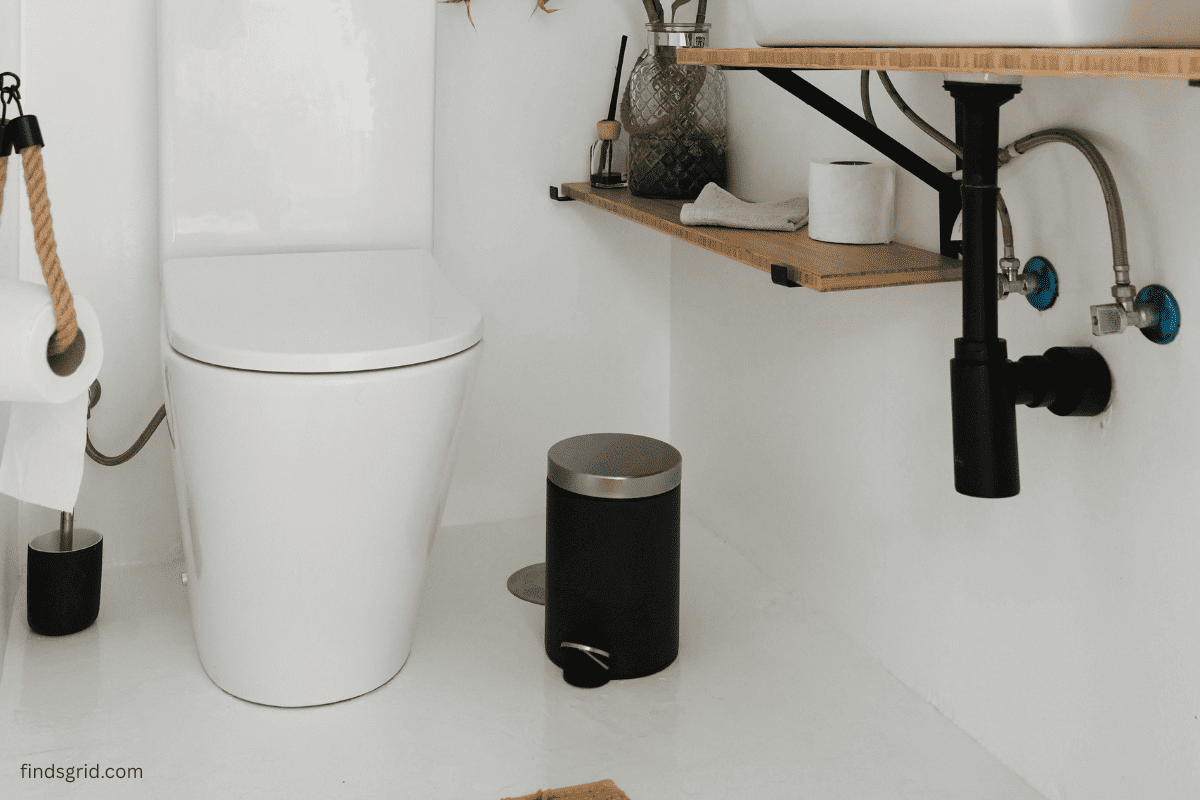
You wash your hands, turn to toss a used cotton pad, and there it is, a trash can wedged so tightly between the toilet and the vanity that the pedal barely has room to press down. This is exactly the kind of moment that makes people start comparing a touchless vs. foot pedal trash can setup for their bathroom. Or worse, you have to grab the lid with your still-damp fingers because the pedal mechanism gave up months ago. Small bathrooms have a way of turning the simplest habits into tiny daily annoyances, and the trash can is usually the worst offender. The fix isn’t rearranging your bathroom, it’s picking a bin whose mechanism actually matches how little space you have.
Why This Feels Harder Than It Should
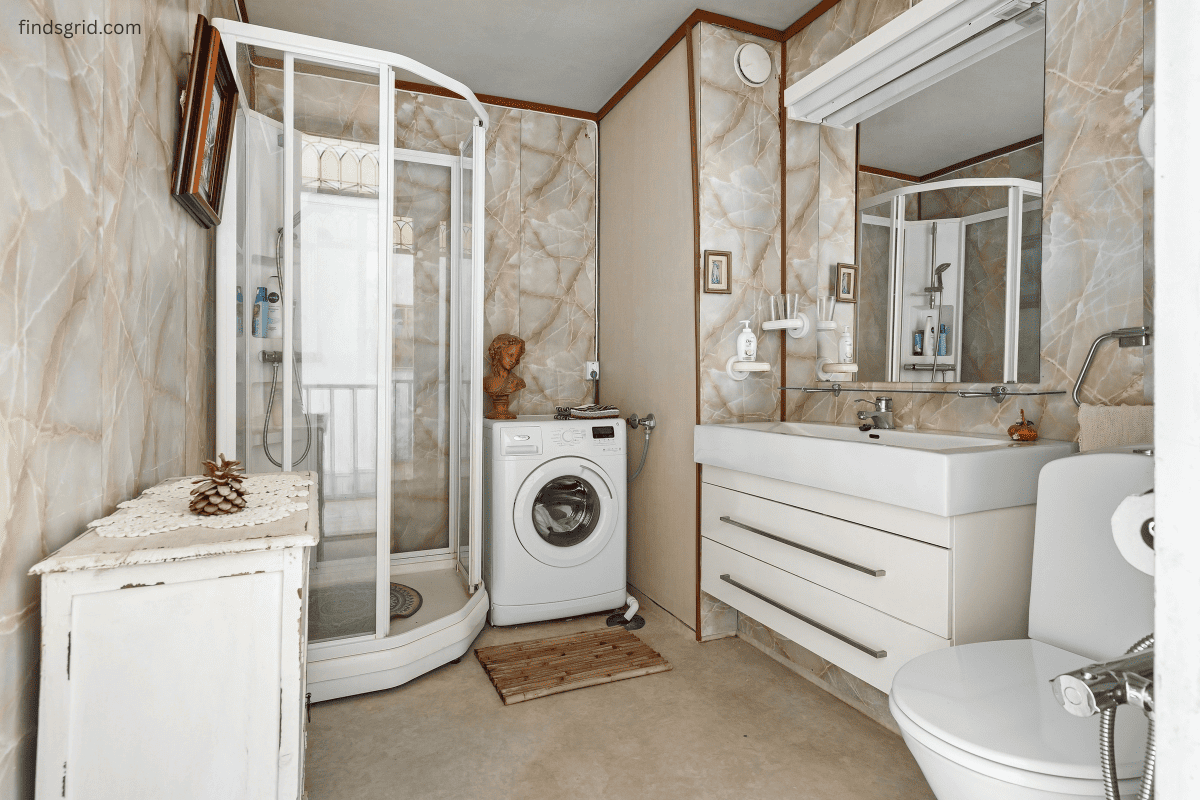
Nobody designs a bathroom around the trash can. It gets whatever leftover gap exists after the toilet, the vanity, and maybe a hamper have claimed their spots. That leftover gap is rarely wide enough for a pedal bin to work the way it’s supposed to, the lid needs room to swing up, and your foot needs room to press down without you losing balance on tile that’s often a little damp near the sink.
This is really a geometry problem before it’s a hygiene problem. A can that needs floor clearance in front of it is fighting against a room that has none to spare.
Touchless vs. Foot Pedal Trash Can: Why Corners Change Everything
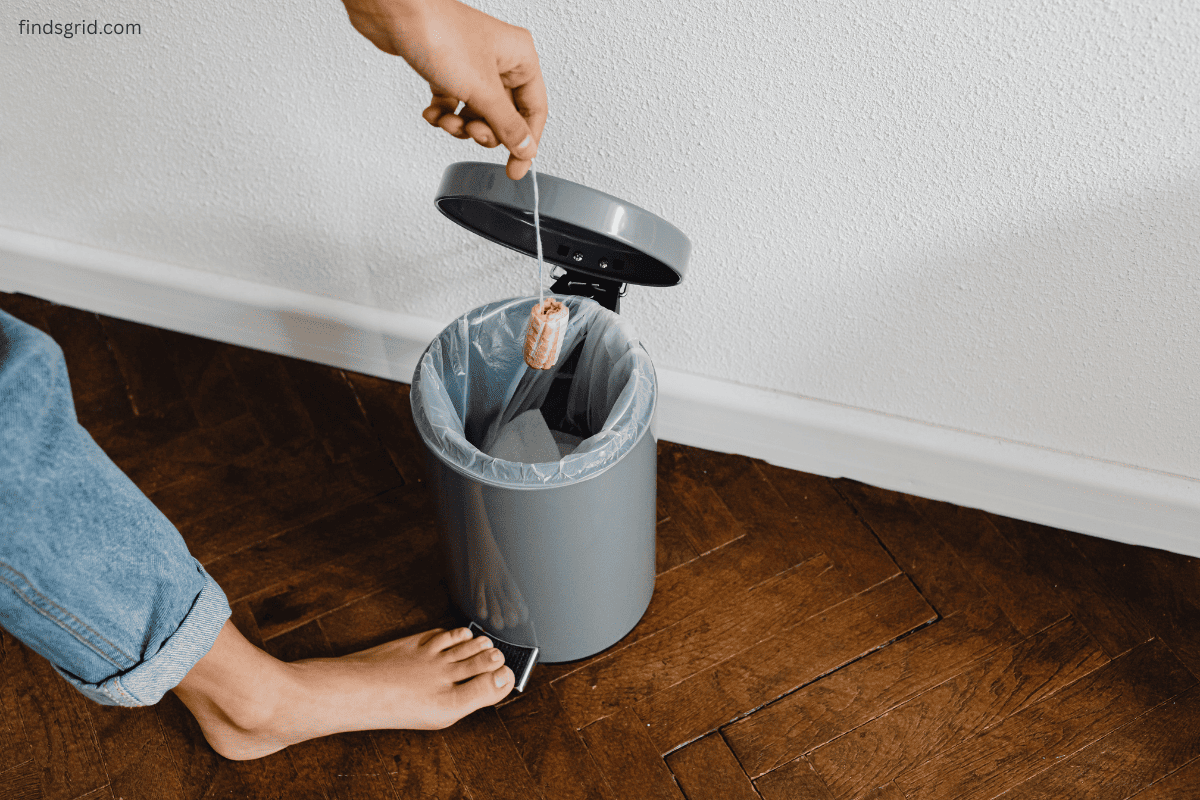
Step-pedal bins make total sense in a kitchen, where you’ve usually got open floor and both feet planted while your hands are busy. Bring that same design into a half bath and the assumptions stop holding up. You need a clear angle to step on the pedal, clearance for the lid to open fully, and dry enough footing that you’re not shifting your weight awkwardly. In a tight bathroom, at least one of those is usually missing.
A motion-sensor bin doesn’t ask for any of that. Since the infrared sensor just needs your hand to pass a few inches from the lid, you can trigger it from almost any angle, standing wherever you happen to be. There’s no pedal footprint eating into the floor plan, so the can itself can sit narrower and closer to the wall which is exactly what you want in a space where every inch is already spoken for. If you’re weighing a touchless vs. foot pedal trash can for a cramped bathroom, this is the part that actually decides it, not the price tag or the color.
What Nobody Tells You About Sensor Bins in a Humid Room
Here’s the part that trips people up: putting anything electronic in a room that fills with steam every day sounds risky, and it can be, if the bin isn’t built for it. A touchless bathroom trash can for small spaces needs a genuinely sealed battery compartment and a sensor housing rated for moisture, not just a plastic shell that happens to look water-resistant. Skip that detail and you’ll eventually get a lid that opens on its own at 2am or stops responding altogether after a few months of shower steam.
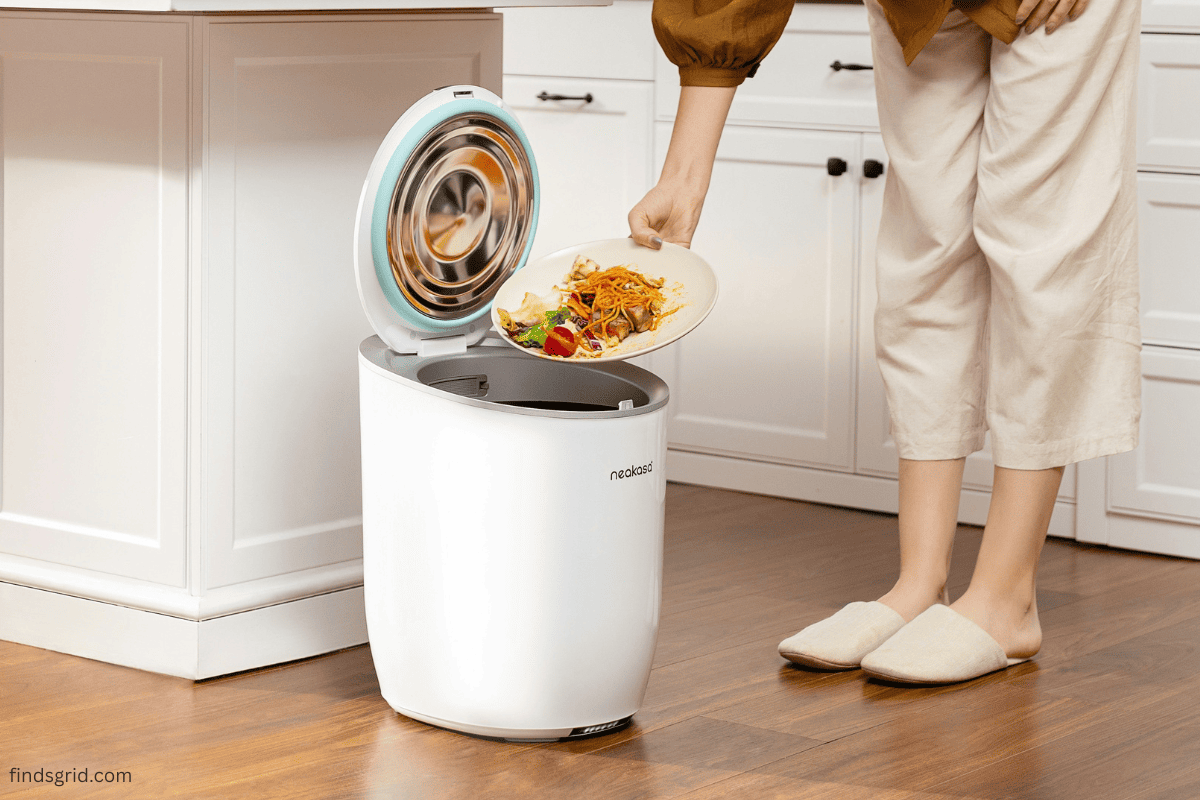
On the flip side, a properly sealed motion-sensor lid does something a pedal can’t, it reseals itself automatically every time, instead of getting left half-open because someone didn’t fully release the pedal. For anyone trying to figure out how to prevent odor in small bathroom trash cans, that auto-reseal is doing more work than any deodorizer insert ever will. Look for a one-piece barrel design where the lid sits down into a lip, not just resting flat on top.
The Battery Question Everyone Asks
This is usually the first objection people raise, and it’s a fair one. Most slim automatic bins run on 2–4 AA batteries and, depending on how often the lid gets triggered, that typically lasts anywhere from several months to close to a year. A guest bathroom used a few times a day will stretch that much further than a busy family bathroom.
A couple of things actually move the needle here:
- A dusty or splattered sensor eye causes false triggers, which is the real reason batteries drain faster than expected, wipe it down occasionally.
- Use the manual hold-open function (if your model has one) when you’re doing something like swapping the liner, instead of letting the lid cycle open and shut repeatedly.
- Keep the can out of direct airflow from a vent or window, since sudden air movement can sometimes set off the sensor.
Liners aren’t usually a special-order situation either, most slim units fit standard small drawstring bags people already buy for bathroom or office cans. Just check the listed gallon capacity before assuming a bag will fit, since these run narrower than kitchen-sized cans.
Which One Actually Wins
When it comes to touchless vs. foot pedal trash can choices for a small bathroom, the deciding factor is almost always the space itself. If your bathroom has decent floor room and you don’t mind the occasional foot-on-pedal motion, a step can will do the job fine. But in the specific scenario most small bathrooms present tight clearance, damp floors, hands that are often wet or full, a slim motion-sensor bin wins on almost every count that matters: it needs less physical space to operate, keeps your hands off a dirty lid entirely, and seals odor better than a pedal ever consistently will. The one thing pedal cans still win on is simplicity, no batteries, no sensor to clean, nothing electronic to fail.
Before You Buy: Quick Checklist
- Confirm the sensor housing and battery compartment are rated for moisture, not just the outer shell
- Check the actual footprint (width + depth) against your gap, not just the “compact” label
- Look for a one-piece lid design if odor containment is your main concern
- Check gallon capacity so you know what bag size to buy
- If you want a dual setup for two bathrooms, a matching narrow 2-pack keeps things consistent without doubling up on floor planning, our full Best Touchless Bathroom Trash Can 2-Pack for Small Spaces Review covers how one holds up under daily use and moisture.
Bottom Line
The best trash can for a small bathroom isn’t the one with the most features, it’s the one whose mechanism actually fits the space you have. For most tight bathrooms, in the touchless vs. foot pedal trash can debate, the touchless option wins as long as it’s genuinely waterproof, not a pedal can fighting for floor room it doesn’t have.