This post contains affiliate links. We may earn a commission if you purchase through them, at no extra cost to you.
Sleep headphones vs earbuds is a debate most side sleepers only start having after a rough night. Picture it: it’s 2 AM, you’re on your left side, and something hard is jabbing the inside of your ear. You reach up and, yep, it’s the earbud you swore you’d take out before falling asleep. Your ear is sore, that ridge of cartilage feels bruised, and now you’re wide awake, which defeats the point of putting on a podcast to wind down.
Plenty of side sleepers go through this on repeat. The good news is you don’t have to give up bedtime audio to fix it. Flat fabric headbands with thin speakers sewn inside are replacing earbuds for a lot of people, and once you look at how each one behaves when you’re actually lying down, it’s easy to see why.
Quick Answer
In the sleep headphones vs earbuds debate, ultra-thin Bluetooth headband speakers usually win for side sleepers because nothing goes inside your ear, so nothing gets squeezed between your head and the pillow. The soft, flat fabric stays comfortable in any position, many bands can be washed, and a good one lasts through the night. Earbuds are still great for commutes, calls, and workouts, but they’re hard to sleep in.
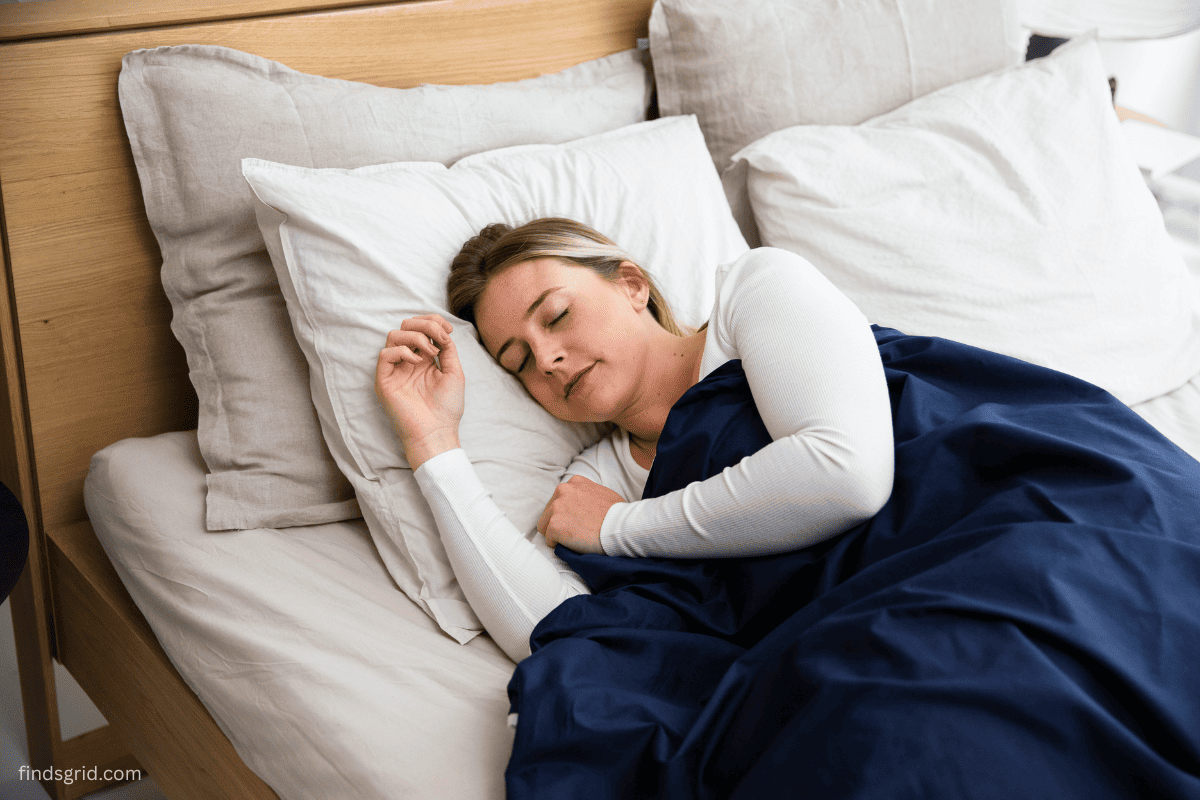
The Physical Risks of Sleeping with Traditional In-Ear Earbuds
Earbuds were built for people who are upright and moving around. Lying on your side with your head sunk into a pillow is a completely different situation.
Picture what happens when you roll over. Your head has some serious weight, and it all pushes your ear into the pillow. If there’s a rigid earbud in the middle, that pressure has nowhere to go, so it lands on one small spot at the opening of the ear canal. The outer ear is mostly thin skin stretched over cartilage with almost no padding. It doesn’t take much to make it hurt.
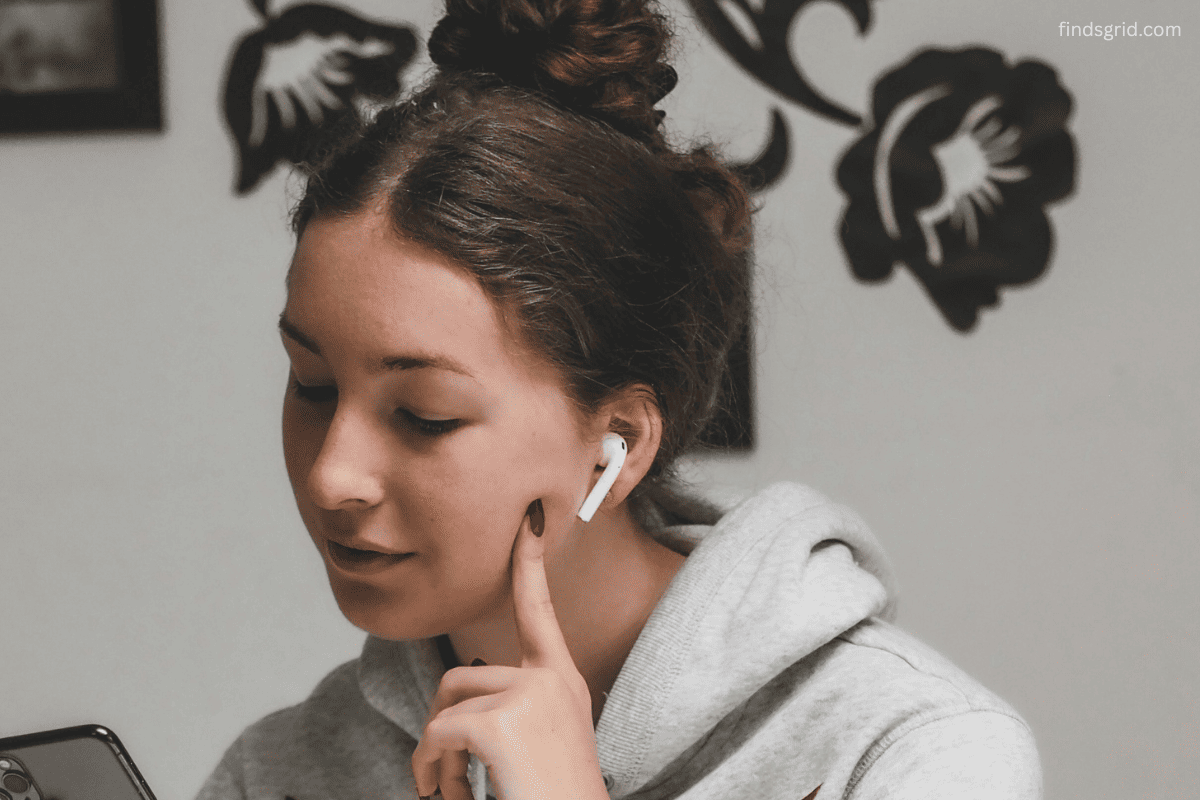
One rough night usually means a tender ear the next morning. Do it for weeks and things can get worse: irritated skin, and in some people sore spots that take a while to heal. Buds that sit deeper in the canal can also rub the delicate lining inside, which is probably why some people wake up with a dull ache instead of a sharp one.
Then there’s the wax and moisture thing, which almost nobody thinks about. Your ears clean themselves. Wax slowly drifts outward, and normal airflow keeps the canal fairly dry. A snug earbud worn for eight hours blocks that airflow, traps warmth, and can push wax further in instead of letting it leave. Some people end up feeling clogged or a bit muffled. And if you tend to get outer ear infections, a warm, sealed, damp canal is exactly what you don’t want. Earbuds pick up wax and skin oil too, so if you’re not cleaning them often, you’re pushing yesterday’s gunk right back into your ear.
Add the annoying practical stuff on top. Wired ones wrap around your neck and get yanked out when you turn over. Wireless ones skip the cord but vanish into the bedding, and a lot of models tap out before your alarm goes off.
How Ultra-Thin Headband Speakers Solve the Side-Sleeping Problem
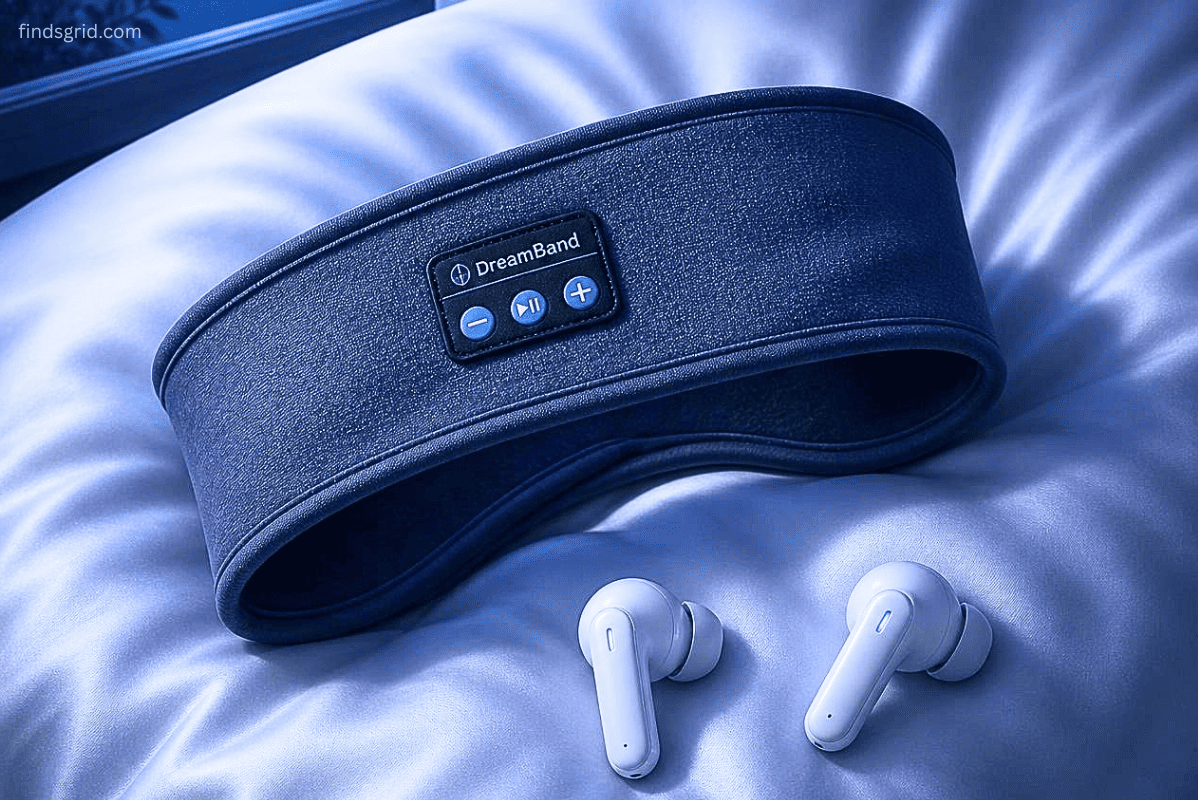
The fix is surprisingly simple. Instead of sitting inside your ear, the speakers are stitched into a stretchy band that rests over your ears. They’re only a few millimeters thick, so when you roll onto your side you’re lying on soft fabric, not a lump of plastic. That’s the main reason people searching for the best sleep headphones for side sleepers end up looking at headbands instead of buds.
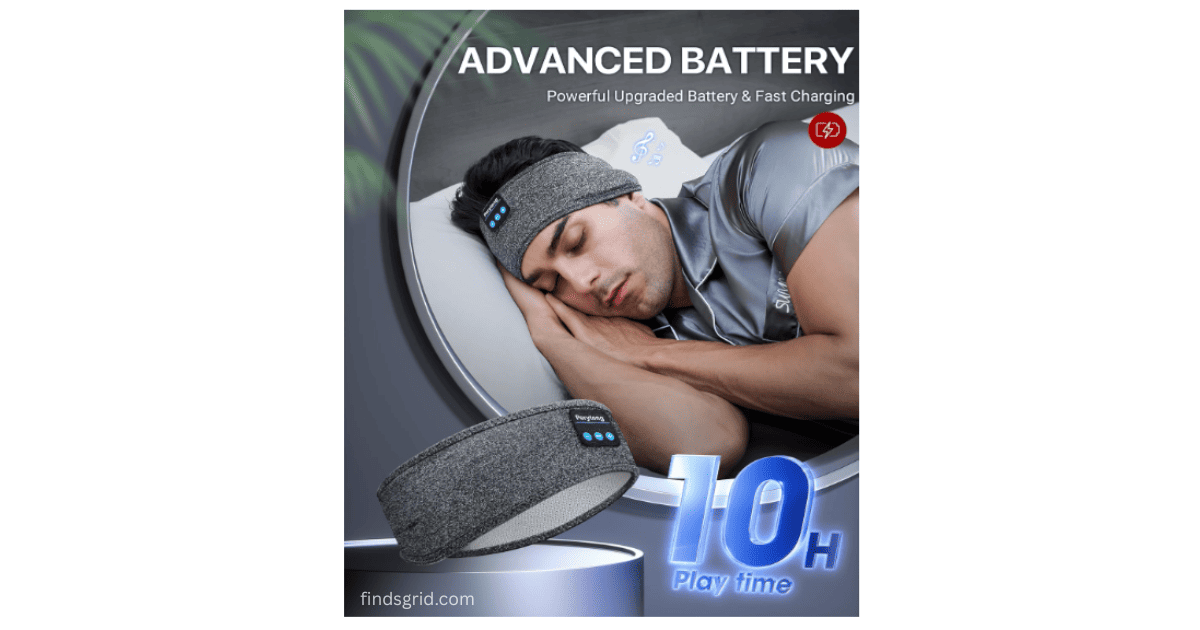
The big win is obvious: no pressure inside the ear at all. Your canals stay open and can breathe, which takes care of most of the moisture and wax worries. Most bluetooth headband headphones for sleep have a soft knit or mesh lining that feels gentle on the skin, and since the band keeps hair off your face, you can even pull it over your eyes as a light sleep mask.
Cleaning is easier, too. On many models you slide out the small control module and wash the band like any other piece of fabric. Try doing that with earbuds. The same headband also works at the gym, on a run, in yoga class, on a long flight, or for a quick nap, and it soaks up sweat instead of letting it collect in your ear.
They’re not perfect, of course. Small speakers mean less bass than a good pair of earbuds, and a loose band can creep out of position overnight. A wide, stretchy band that’s snug but not tight solves most of that. If it leaves a red line on your forehead in the morning, it’s too tight.
Sound Quality, Battery Life, and Safe Listening Habits
Volume matters more than anything else here. The number you’ll often see quoted is 85 decibels for eight hours (that’s the NIOSH guideline), but it was written with daytime exposure in mind, with breaks in between. When you’re asleep there are no breaks. So keep the volume low, low enough that it feels like background sound. If your partner can clearly hear it from the other side of the bed, turn it down. Comfortable headphones for sleeping on your side only help if the sound stays gentle, too.
Use a sleep timer. Most audio apps have one, and 30 to 60 minutes is plenty because you’ll be out well before it ends. It protects your hearing, saves battery, and keeps audio from startling you awake at 4 AM.
Listening to audiobooks while sleeping works well for a lot of people, especially with a calm narrator and a story you already know. Maybe skip the thrillers. Keep the narration at normal speed, and let the timer do its thing so you’re not hunting for your place the next day.
On battery, aim for 10 to 12 hours of playback so a long night, or a charge you forgot about, doesn’t leave you in silence at 3 AM. Charging usually takes a couple of hours, so plug it in while you shower or make breakfast. For Bluetooth, version 5.0 or newer holds a steadier connection and uses less power. Keep your phone close by, and switch on Do Not Disturb before bed so a random notification doesn’t blast through the speakers.
How to Upgrade Your Nighttime Sleep Routine
Better gear only goes so far if the routine around it is a mess. Start winding down about half an hour before bed, and choose your audio before you get under the covers, not while squinting at your phone in the dark. Set the volume, the timer, and Do Not Disturb first. Then settle the speakers over your ears and check that the band feels snug without pinching. Charge it during the day rather than overnight, and wash the fabric regularly, especially if it also goes to the gym with you.
If you struggle with uncomfortable ear pressure while sleeping on your side and want a soft, washable headband alternative, check out our detailed guide on The Best Sleep Headphones for Side Sleepers to find the right fit for your routine.
Sleep Headphones vs Earbuds at a Glance
| Feature | In-Ear Wireless Earbuds | Bluetooth Sleep Headbands | Clear Winner |
|---|---|---|---|
| Side-sleeping comfort | Hard shell presses into the ear | Flat, soft fabric | Sleep Headbands |
| Ear canal pressure | Sits inside the canal | None, nothing goes in the ear | Sleep Headbands |
| Airflow and moisture | Seals the canal | Ears stay open | Sleep Headbands |
| Washability | Wipe clean only | Fabric band often washable | Sleep Headbands |
| Full-night battery | Often shorter per charge | Commonly 10 to 12 hours | Sleep Headbands |
| Sound isolation | Better at blocking outside noise | Masks noise but doesn’t seal it | Earbuds |
| Bass and audio detail | Fuller, more detailed | Fine for podcasts and audiobooks | Earbuds |
| Staying in place | Can fall out overnight | Can shift if too loose | Tie |
Frequently Asked Questions
For most healthy adults, yes, as long as you handle a few basics. Keep the volume low, use a sleep timer instead of letting audio play until morning, and don’t wear the band tight. Bluetooth uses low-power radio signals, and major health authorities haven’t found evidence that they harm health. So the safe way to wear headphones to sleep really comes down to quiet volume and a comfortable fit. If you get ear pain, ringing, or muffled hearing that doesn’t go away, stop using them and see a doctor.
Often, yes, but check the care label first. Most sleep headbands let you slide out the control module, and then the fabric can be hand washed with mild soap or run on a gentle cycle in a mesh bag. Let it air dry completely and skip the dryer. Make sure the module is totally dry before it goes back in. If you wear yours for workouts, wash it more often.
Not really. They don’t seal your ear the way earplugs do, so they can’t physically block sound. What they can do is cover it up. Steady audio like rain, brown noise, or a quiet audiobook drowns out a partner’s snoring for plenty of people. One thing worth knowing: very loud snoring, gasping, or pauses in breathing can point to sleep apnea, so bring it up with a doctor instead of just masking it.
Yes. Pick something calm, keep the volume low, and set a sleep timer so it shuts off after you’ve drifted off. Some people don’t sleep as deeply with sound playing for hours, so if you’re waking up tired, try a shorter timer.
Conclusion
If you’re a side sleeper who loves falling asleep to audio, your ear is the thing to protect. When you weigh sleep headphones vs earbuds, the deciding factor is simple: anything hard and small sitting inside the canal is going to fight you every time you roll over. A flat, soft, breathable band lets you keep your audio routine without waking up sore.
Whichever style you go with, the basics don’t change: keep the volume low, use a timer, and keep anything that touches your skin clean. And if you want to see a real example of a headband that covers these points, with a removable control pod, washable fabric, and all-night battery, the Perytong headband in our side sleeper guide is a good place to start.
This article is for general information only and isn’t medical advice. If you have ear pain, ringing in your ears, or changes in your hearing, please talk to a doctor.